

Energy-Efficient HVACR Solutions Optimizing Refrigeration for Food and Dairy Processing Facilities

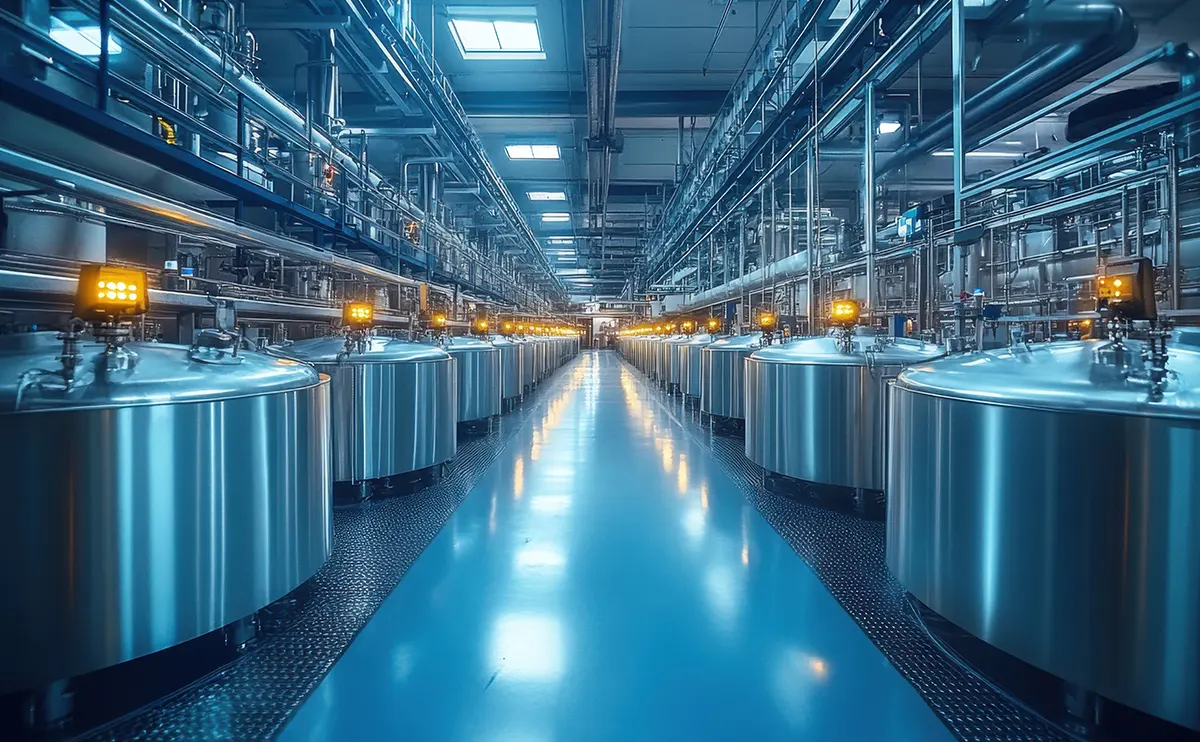
In the food and dairy industry, refrigeration systems are critical for maintaining product quality, safety, and shelf life. However, refrigeration also represents one of the largest energy costs for processing plants. Implementing energy-efficient HVACR (Heating, Ventilation, Air Conditioning, and Refrigeration) solutions not only reduces operational expenses but also supports sustainability goals, compliance with regulations, and consistent product quality.
Importance of Refrigeration in Food and Dairy Plants
Refrigeration ensures the safety and quality of perishable products:
- Cold storage: Maintains freshness of milk, cheese, yogurt, and other dairy products
- Process cooling: Supports pasteurization, fermentation, and ingredient handling
- Shelf life extension: Reduces spoilage and product waste
- Food safety compliance: Prevents bacterial growth and contamination
Efficient refrigeration is therefore a cornerstone of modern food and dairy production.
Energy Challenges in Traditional Refrigeration Systems
Traditional refrigeration systems are often energy-intensive due to:
- Continuous operation without load optimization
- Inefficient compressors, pumps, and fans
- Heat loss through poorly insulated pipes and storage tanks
- Lack of real-time monitoring and predictive maintenance
These inefficiencies increase operational costs and carbon footprint, making energy efficiency a priority.
Key Strategies for Energy-Efficient Refrigeration
- High-Efficiency Compressors and Condensers
- Use of variable speed drives (VSDs) to adjust cooling output according to demand
- Modern compressors with higher Coefficient of Performance (COP)
- Optimized condensers for heat rejection
- Advanced Insulation and Thermal Management
- Properly insulated storage tanks and pipelines reduce energy loss
- Minimization of cold air leakage in storage areas and packaging zones
- Cold air recirculation techniques to maintain uniform temperature
- Heat Recovery Systems
- Reuse waste heat from refrigeration for water heating or process needs
- Reduces overall energy consumption in the plant
- Automation and Smart Controls
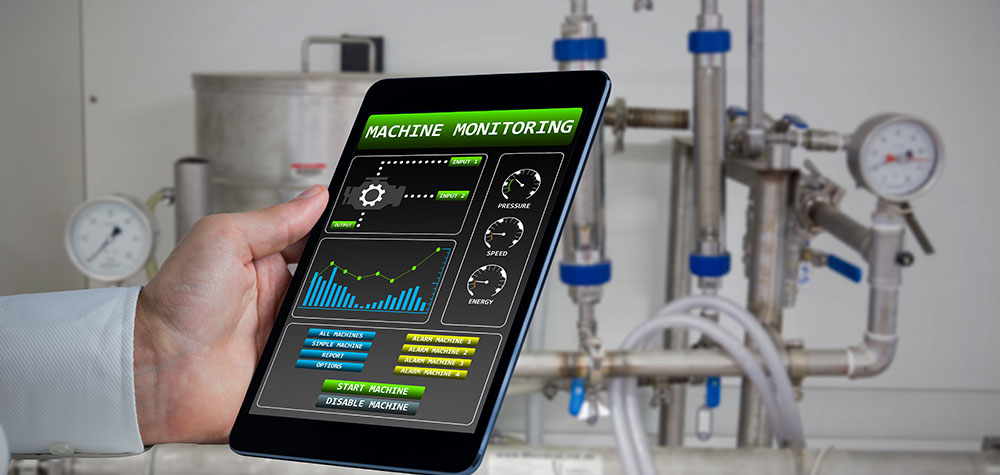
- Digital temperature and humidity monitoring for precise control
- IoT sensors and BMS integration for real-time energy optimization
- Predictive maintenance alerts to prevent energy waste and equipment failure
- Sustainable Refrigerants
- Use of eco-friendly refrigerants with low Global Warming Potential (GWP)
- Compliance with environmental regulations while maintaining system efficiency
Optimizing Cold Storage and Processing Areas
- Energy-efficient refrigeration solutions include the proper design of storage and process areas:
- Zoning: Separate areas by temperature needs to reduce overcooling
- Automated doors and curtains: Limit cold air loss in high-traffic zones
- Airflow management: Ensures uniform temperature distribution
- Continuous monitoring: Detects deviations and adjusts cooling dynamically
Well-designed layouts improve energy efficiency and product consistency.
Benefits of Energy-Efficient Refrigeration
Implementing energy-efficient HVACR solutions offers multiple advantages:
- Reduced energy costs: Lower electricity consumption and utility bills
- Sustainability: Reduced carbon footprint and environmental impact
- Improved product quality: Stable temperatures preserve freshness and shelf life
- Regulatory compliance: Meets energy and environmental standards
- Longer equipment life: Optimized operation reduces wear and tear
These benefits contribute to operational excellence and long-term profitability.
Emerging Trends in Food & Dairy Refrigeration
Modern technologies are transforming refrigeration efficiency:
- IoT-enabled monitoring systems for real-time optimization
- AI-driven predictive maintenance to avoid downtime
- Hybrid refrigeration systems combining conventional cooling with natural refrigerants
- Renewable energy integration, e.g., solar-assisted cooling or heat recovery systems
Adopting these innovations ensures competitiveness and sustainability.
Conclusion
Energy-efficient HVACR solutions are essential for food and dairy plants striving to maintain product quality, reduce operational costs, and meet sustainability goals. By leveraging advanced compressors, smart controls, heat recovery, eco-friendly refrigerants, and optimized layouts, facilities can significantly improve efficiency while safeguarding products and the environment.
Investing in energy-efficient refrigeration is no longer optional—it is a critical step toward future-ready, sustainable, and profitable dairy and food production facilities.
This info is priceless. How can I find out
more?