
Raw Material Receiving

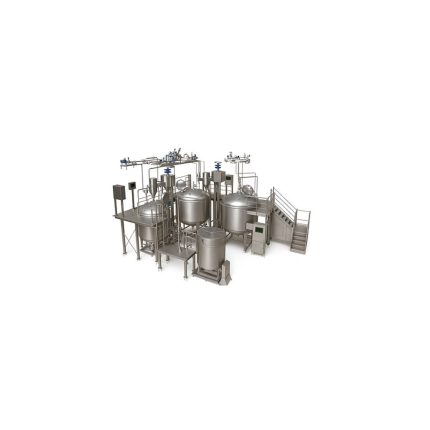
Raw Material Receiving Systems are critical industrial machines and setups designed to safely, efficiently, and accurately receive, weigh, store, and transfer raw materials into production facilities. They are essential in industries such as food & beverage, dairy, pharmaceuticals, chemicals, and plastics, ensuring product quality, traceability, and smooth production flow from the very first step.

What Is a Raw Material Receiving System?

A raw material receiving system is a combination of machinery, storage, and handling equipment that manages incoming raw materials from suppliers. These systems ensure that materials are checked for quality, measured accurately, and transferred safely to storage or processing areas, reducing contamination risks and production delays.
Key Components of Raw Material Receiving Machines

  • Conveyor Systems – Transport raw materials from receiving docks to storage or processing areas
  • Hoppers and Silos – Store bulk powders, grains, or liquids temporarily
  • Weighing and Dosing Machines – Ensure accurate measurement before processing
  • Vacuum or Pneumatic Conveyors – Transfer powders and granular materials hygienically
  • Scales and Load Cells – Monitor weight and prevent overloading
  • Metal Detectors and Quality Control Sensors – Ensure material safety and compliance

Types of Raw Material Receiving Systems

  1. Bulk Material Receiving Systems
  • Designed for large quantities of raw powders, grains, or liquids
  • Includes silos, hoppers, and pneumatic conveying systems
  • Common in food, dairy, and chemical industries
  1. Bagged or Packaged Material Receiving Systems
  • Handles sacks, drums, or cartons
  • Automated or semi-automated bag dumping and emptying systems
  • Reduces manual labor and contamination
  1. Liquid Raw Material Receiving Systems
  • Includes tanks, pumps, and pipelines
  • Maintains hygiene and prevents spillage
  • Used in dairy, beverage, and chemical industries
  1. Automated and Integrated Receiving Systems
  • Integrates weighing, conveying, and quality checks
  • Reduces manual intervention
  • Ensures traceability and compliance with standards

Applications of Raw Material Receiving Machines

  • Food & Beverage Industry: Flour, sugar, milk powder, syrup, juices
  • Dairy Industry: Milk, cream, whey powder, additives
  • Pharmaceuticals: APIs, excipients, powders, and liquids
  • Chemical Industry: Raw chemicals, powders, and liquids for formulation
  • Plastics and Polymers: Pellets, resins, and additives

Benefits of Raw Material Receiving Systems

  • Ensures accurate measurement and dosing
  • Reduces contamination and material loss
  • Improves operational efficiency and workflow
  • Enhances product traceability and regulatory compliance
  • Reduces manual labor and human error

Maintenance & Operational Considerations

  • Regular cleaning to maintain hygiene
  • Inspection of conveyors, hoppers, and weighing systems
  • Calibration of scales and load cells for accuracy
  • Preventive maintenance of pumps and pneumatic systems
  • Monitoring for spills, leaks, or blockages

Conclusion

Raw Material Receiving Machines are the backbone of an efficient and hygienic production process, ensuring that raw materials enter the system safely, accurately, and ready for processing. Investing in automated and integrated receiving systems not only improves productivity but also maintains quality, safety, and compliance across industries.

No products were found matching your selection.