Pasteurization Systems

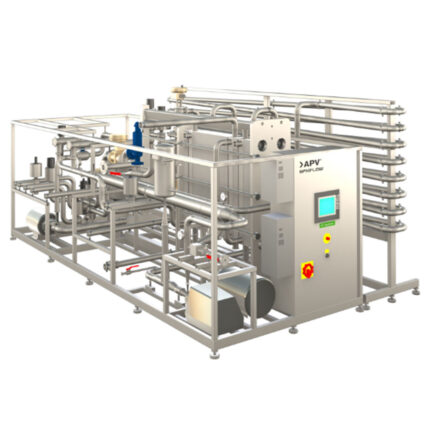
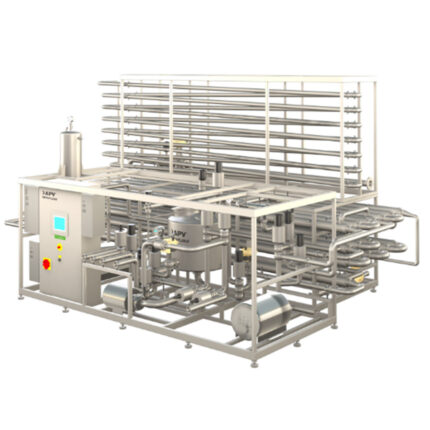
Pasteurization systems are critical industrial machines used to heat liquids and semi-solid foods to a specific temperature for a defined period to eliminate harmful microorganisms without compromising product quality. These machines are widely used in dairy, juice, beverage, food processing, and pharmaceutical industries to ensure food safety, extended shelf life, and regulatory compliance.

What Is a Pasteurization System?

A pasteurization system is a thermal processing machine that uses controlled heat treatment to kill pathogenic bacteria and reduce spoilage organisms in liquids such as milk, juices, syrups, and sauces. Modern pasteurization systems are designed for efficiency, hygiene, and precise temperature control, ensuring that the product retains its nutritional and sensory properties.
Types of Pasteurization Machines

  1. High-Temperature Short Time (HTST) Pasteurizers
  • Heat liquid to 72–75°C for 15–30 seconds
  • Ideal for milk, juices, and beverages
  • Continuous processing for high-volume production
  1. Low-Temperature Long Time (LTLT) Pasteurizers
  • Heat liquid to 63–65°C for 30 minutes
  • Suitable for small batches and artisan products
  • Often used in dairy and specialty foods
  1. Ultra-High Temperature (UHT) Pasteurizers
  • Heat product to 135–150°C for 2–5 seconds
  • Extends shelf life without refrigeration
  • Used for milk, cream, and ready-to-drink beverages
  1. Flash Pasteurizers
  • Rapid heating and cooling in short bursts
  • Preserves flavor and nutrients
  • Common in fruit juices and syrups
  1. Batch Pasteurizers
  • Treats fixed quantities of liquid in vessels
  • Easy to operate and clean
  • Used for small-scale or specialty production

Applications of Pasteurization Systems

  • Dairy Industry: Milk, cream, yogurt, whey, and flavored milk
  • Food & Beverage: Fruit juices, syrups, liquid eggs, sauces
  • Pharmaceuticals: Liquid medicines and nutrient solutions
  • Beverage Industry: Soft drinks, and fermented beverages

Key Components of a Pasteurization System

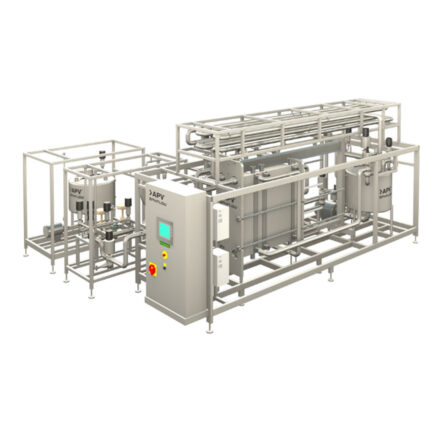
  • Heat Exchanger (Plate or Tubular)
  • Holding Tubes or Chambers
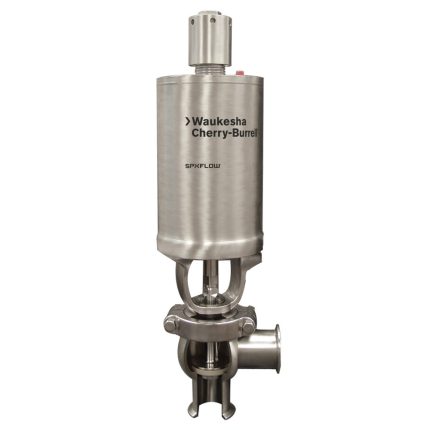
  • Pumps and Flow Control Valves
  • Temperature Sensors and Controllers
  • CIP Cleaning System
  • PLC-Based Control Panel

Benefits of Pasteurization Machines

  • Kills harmful pathogens and bacteria
  • Extends product shelf life
  • Retains flavor, nutrients, and quality
  • Complies with international food safety standards
  • Suitable for continuous and batch production

Maintenance & Operational Considerations

  • Regular inspection of heat exchangers and valves
  • Calibration of temperature and flow sensors
  • Periodic cleaning using CIP systems
  • Monitoring for scaling and fouling in heating surfaces

Conclusion

Pasteurization systems are indispensable machines in modern food, beverage, and pharmaceutical industries, ensuring safety, quality, and consistency of liquid products. Selecting the right pasteurizer based on product type, volume, and processing requirements ensures efficiency, regulatory compliance, and long-term reliability.

Contimol

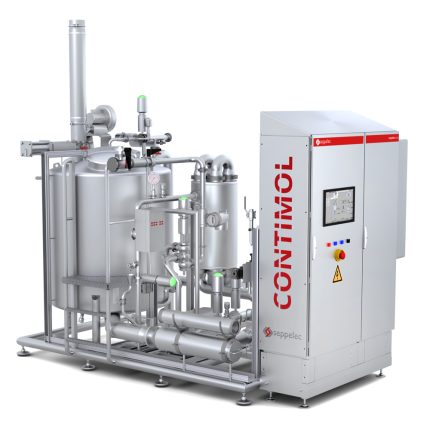
Contimol® is the market leader unit for continuous sugar dissolution for the past 45 years. Since the early skids it has evolved incorporating a whole lot of technical innovations to bring up a modern, accurate and compact unit which produces homogenized simple syrup in continuous.

DECOMOL

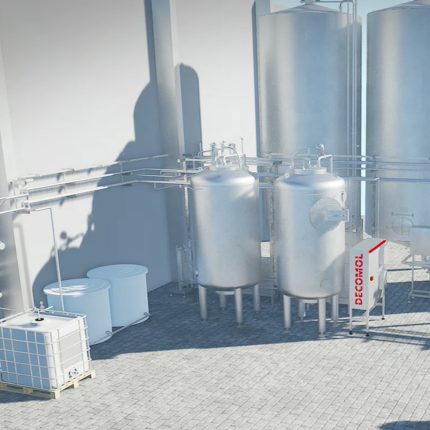
Decomol® is the optimal sugar clarification equipment demanded by the sector. The correct selection and combination of technologies have positioned it for over 31 years as a reliable alternative to refined sugar production.

MASSMOL

The Massmol® has been updated over the years and the available technology has allowed new forms of control to be reliably incorporated. Starting out as a unit for dosing liquid parts, the Massmol has become a worldwide benchmark in the continuous production of beverages with all kinds of ingredients.

VACBID

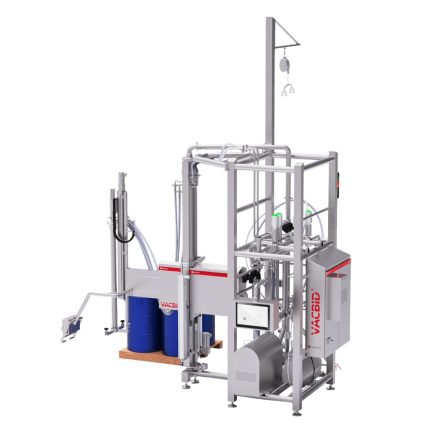
AUTOMATIC EMPTYING SYSTEM FOR PULPS & CONCENTRATES

Vacbid® is the ideal equipment for emptying high-viscosity products, suitable for the production of juices, soft drinks, or any product that requires quick and efficient emptying with minimal operator intervention.