
Fermentation & Storage

Fermentation and storage systems are critical industrial machines used to control, optimize, and preserve liquid or semi-solid products during fermentation and storage processes. These systems are widely used in industries such as food & beverage, dairy, brewing, pharmaceuticals, and biotechnology, where precise control over temperature, pressure, and hygiene ensures product quality, safety, and consistency.

What Are Fermentation & Storage Machines?

Fermentation and storage systems are specialized tanks and vessels equipped with temperature control, mixing, and monitoring systems to allow microbial fermentation or chemical reactions while maintaining product integrity. After fermentation, these systems also serve as storage units to hold the product under optimal conditions before further processing, packaging, or distribution.

Key Components of Fermentation & Storage Systems

  • Fermentation Vessels / Tanks – Stainless steel or hygienic vessels designed for microbial or enzymatic activity
  • Temperature Control Systems – Jackets, coils, or cooling/heating units to maintain precise temperature
  • Agitators / Mixers – Ensure uniform conditions and prevent settling
  • CIP (Clean-In-Place) Systems – Maintain hygiene and prevent contamination
  • Pressure & Gas Control Systems – Regulate CO₂, nitrogen, or oxygen levels during fermentation
  • Sensors & Automation Panels (PLC-Based) – Monitor pH, temperature, dissolved oxygen, and other critical parameters

Types of Fermentation & Storage Machines

  1. Batch Fermentation Tanks
  • Operates with fixed volumes for controlled fermentation
  • Used for small to medium-scale production
  • Common in craft brewing, dairy, and specialty food products
  1. Continuous Fermentation Systems
  • Feed and remove material continuously
  • Ideal for high-volume industrial fermentation
  • Used in biotech, pharmaceutical, and beverage industries
  1. Storage Tanks
  • Maintain product quality before packaging
  • Can be refrigerated or ambient, depending on product requirements
  • Suitable for juices, milk and syrups
  1. Pressure Fermentation Tanks
  • Designed for carbonated beverages or anaerobic fermentation
  • Withstand high pressures for CO₂ or nitrogen retention
  • Used in brewing and soft drink production

Applications of Fermentation & Storage Machines

  • Food & Beverage Industry: Yogurt, cheese, fermented juices
  • Dairy Industry: Whey processing, milk fermentation, cultured dairy products
  • Pharmaceuticals & Biotechnology: Fermentation of probiotics, enzymes, vaccines, and antibiotics
  • Beverage Industry: Kombucha, soft drinks, and flavored beverages
  • Chemical Industry: Biochemical fermentation and specialty chemical reactions

Benefits of Fermentation & Storage Machines

  • Controlled environment ensures consistent product quality
  • Minimizes contamination risks
  • Improves yield and production efficiency
  • Preserves flavor, nutrients, and active compounds
  • Scalable for batch or continuous production

Maintenance & Operational Considerations

  • Regular CIP cleaning to maintain hygiene
  • Monitoring of temperature, pH, pressure, and dissolved gases
  • Inspection of agitators, valves, and seals
  • Calibration of sensors and control systems
  • Preventive maintenance of heating/cooling jackets and pumps

Conclusion

Fermentation and storage machines are indispensable for industries relying on precise microbial or enzymatic processes, ensuring product consistency, safety, and quality. By providing controlled environments and hygienic storage, these systems enable efficient production while supporting long-term reliability and compliance with industry standards.

U-SSTME

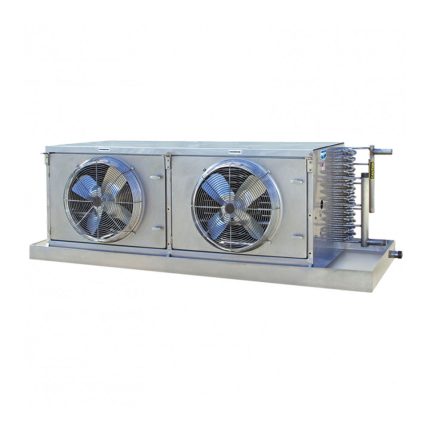
ULTRA-Hygienic evaporators for coolers, process room and other areas requiring the highest level of hygiene and cleanability. The U-SSTME Series evaporators offer superior accessibility features, clean cabinet/pan design and corrosion inhibiting materials of construction.