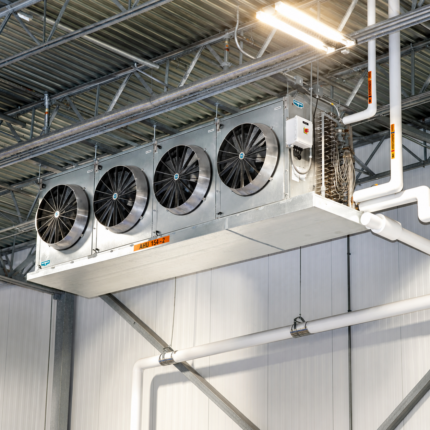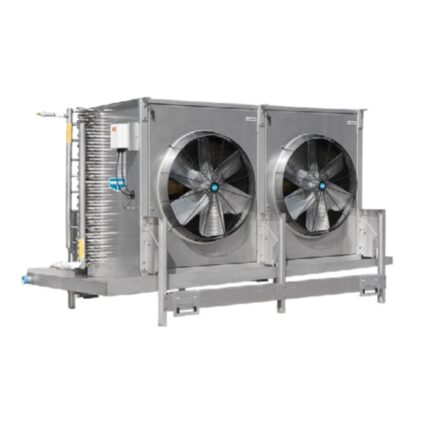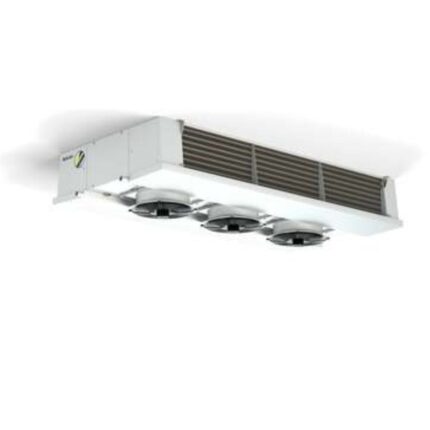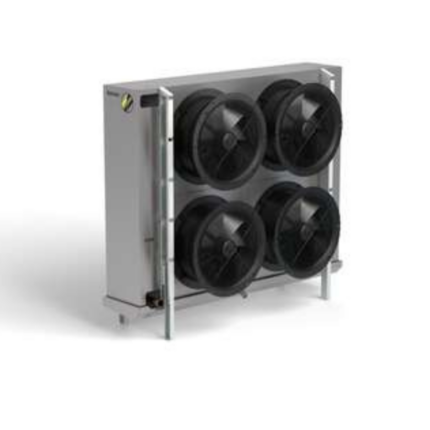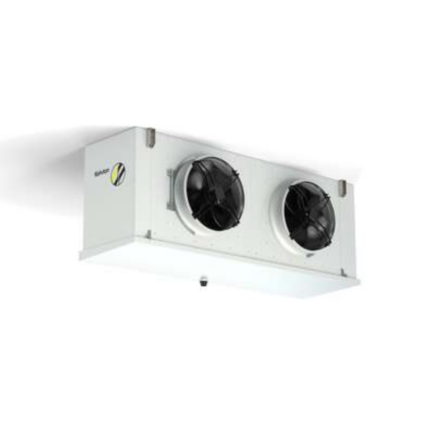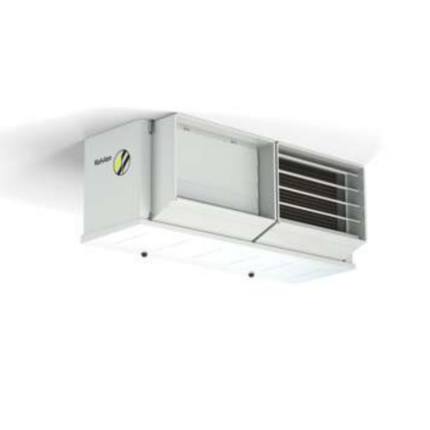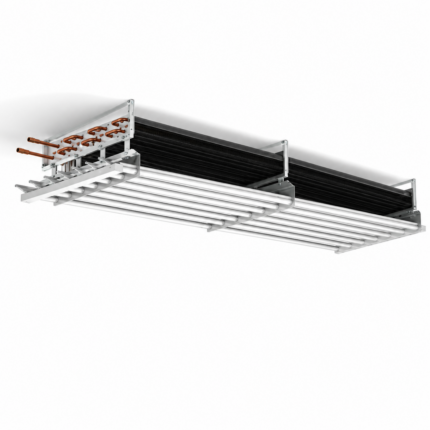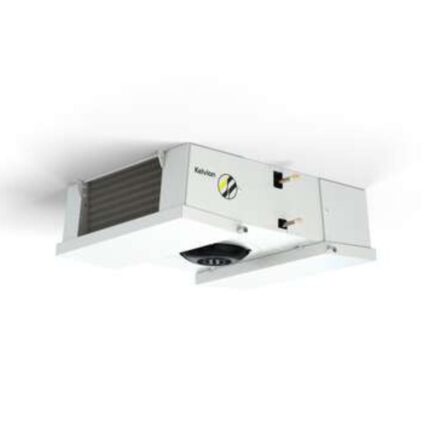
Evaporators

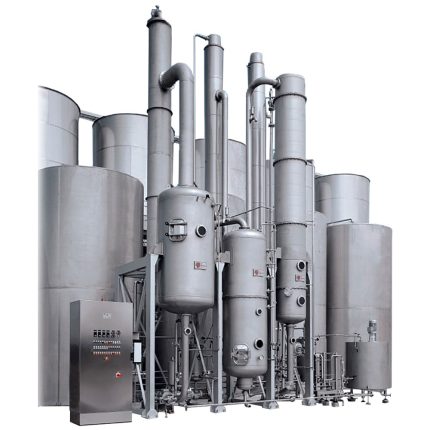
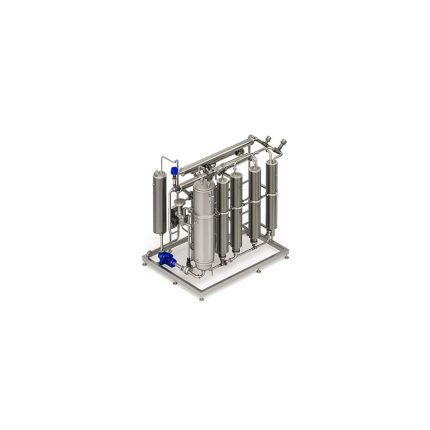
Evaporators are essential industrial machines used to remove water or solvents from liquids by heating and vaporization, thereby increasing product concentration or enabling separation and recovery of valuable components. These machines are widely used in food & beverage, dairy, pharmaceuticals, chemicals, sugar, pulp & paper, and wastewater treatment industries where controlled evaporation is critical to product quality and process efficiency.

What Is an Evaporator Machine?

An evaporator is a thermal processing machine that converts liquid into vapor by applying heat, allowing solids or concentrated solutions to remain. The vapor is then separated and, in many systems, condensed and reused. Evaporators are designed to operate efficiently while minimizing energy consumption and preserving heat-sensitive products.
Types of Evaporator Machines

  1. Falling Film Evaporators

Liquid flows as a thin film down heated tubes.

  • Ideal for heat-sensitive products
  • High heat transfer efficiency
  • Common in dairy, juice, and beverage industries
  1. Rising Film Evaporators

Liquid rises due to vapor formation.

  • Suitable for low-viscosity fluids
  • Compact design
  • Used in chemical and pharmaceutical processing
  1. Forced Circulation Evaporators

Use pumps to circulate liquid at high velocity.

  • Handle high-viscosity and fouling liquids
  • Used in sugar, salt, and chemical industries
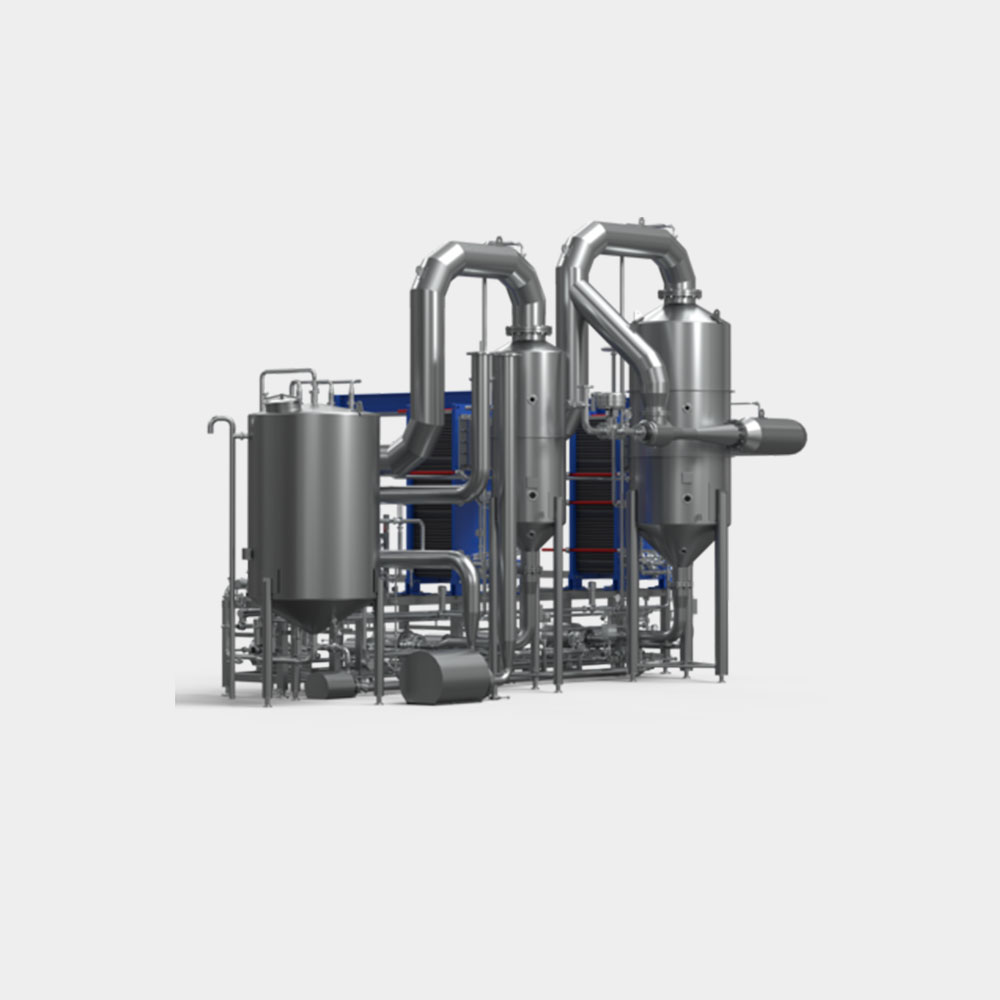
  1. Multiple-Effect Evaporators

Reuse vapor from one stage to heat the next.

  • High energy efficiency
  • Reduced steam consumption
  • Common in large-scale industrial plants

5. Vacuum Evaporators

Operate under reduced pressure.

  • Lower boiling temperature
  • Protect heat-sensitive products
  • Used in pharmaceuticals and specialty chemicals

Applications of Evaporator Machines

Evaporators are used across various industries:

  • Food & Beverage: Milk concentration, fruit juice processing, syrup production
  • Dairy Industry: Whey and milk solids concentration
  • Pharmaceuticals: Solvent recovery and product concentration
  • Chemical Industry: Chemical solution concentration
  • Wastewater Treatment: Volume reduction and water recovery

Benefits of Evaporator Machines

  • Efficient concentration and separation
  • Energy savings with multi-effect designs
  • Improved product quality and consistency
  • Reduced waste volume and disposal costs
  • Recovery and reuse of water or solvents


Key Components of an Evaporator System

  • Heat Exchanger
  • Evaporation Chamber
  • Vapor Separator
  • Condenser
  • Pumps and Control Valves
  • PLC-Based Control System

Maintenance & Operational Considerations

  • Regular cleaning to prevent scaling and fouling
  • Monitoring temperature and pressure
  • Proper vacuum control
  • Use of CIP systems for hygienic applications

Conclusion

Evaporator machines are vital for efficient liquid concentration and solvent recovery in industrial processes. With advanced designs such as vacuum and multiple-effect evaporators, industries can achieve high performance, energy efficiency, and consistent product quality. Selecting the right evaporator based on product characteristics and process requirements ensures reliable and cost-effective operation.

U-SSTME

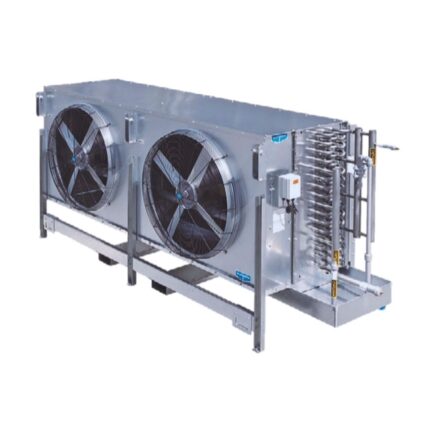
ULTRA-Hygienic evaporators for coolers, process room and other areas requiring the highest level of hygiene and cleanability. The U-SSTME Series evaporators offer superior accessibility features, clean cabinet/pan design and corrosion inhibiting materials of construction.