
Capping

Capping machines are essential industrial machines used to apply and secure caps, lids, or closures onto bottles and containers after filling. These machines ensure that products are leak-proof, tamper-evident, and properly sealed, making them a critical part of packaging lines in food & beverage, dairy, pharmaceutical, cosmetic, and chemical industries.

What Is a Capping Machine?

A capping machine is designed to automatically place and tighten caps on filled containers with consistent torque and alignment. Proper capping protects the product from contamination, leakage, and spoilage while maintaining shelf life and consumer safety.
Types of Capping Machines

  1. Screw Capping Machines
  • Apply plastic or metal screw caps
  • Commonly used for beverages, oils, and pharmaceuticals
  1. ROPP (Roll-On Pilfer Proof) Capping Machines
  • Roll aluminum caps onto bottle necks
  • Widely used for spirits, syrups, and pharmaceutical bottles
  1. Snap-On / Press Capping Machines
  • Press-fit caps onto containers
  • Used for cosmetic and household products
  1. Lug / Twist-Off Capping Machines
  • Designed for glass jars and food containers
  • Common in sauces, jams, and pickles
  1. Aseptic Capping Machines
  • Operate in sterile environments
  • Used for dairy, UHT beverages, and pharmaceutical products

Key Components of a Capping Machine

  • Cap Feeding System (Elevator or Vibratory Bowl)
  • Capping Heads or Spindles
  • Torque Control Mechanism
  • Container Holding or Clamping System
  • Sensors and Safety Guards
  • PLC-Based Control Panel

Applications of Capping Machines

  • Food & Beverage: Water bottles, juices, sauces, edible oils
  • Dairy Industry: Milk bottles and yogurt drink containers
  • Pharmaceuticals: Syrup bottles, tablets, and liquid medicines
  • Cosmetics: Shampoo, lotion, and cream bottles
  • Chemical Industry: Lubricants, solvents, and cleaners

Benefits of Capping Machines

  • Ensures consistent and secure sealing
  • Prevents leakage and contamination
  • Improves production speed and efficiency
  • Reduces manual labor and errors
  • Supports tamper-evident packaging

Automation & Hygiene Features

  • Fully automatic or semi-automatic operation
  • Stainless steel construction for hygienic applications
  • CIP-compatible designs
  • Adjustable settings for different cap and bottle sizes

Conclusion

Capping machines are a crucial component of packaging lines, ensuring that products are securely sealed, safe, and ready for distribution. By providing consistent torque, precise cap placement, and hygienic operation, capping systems help maintain product integrity and enhance brand reliability.

Screw Capping Machines

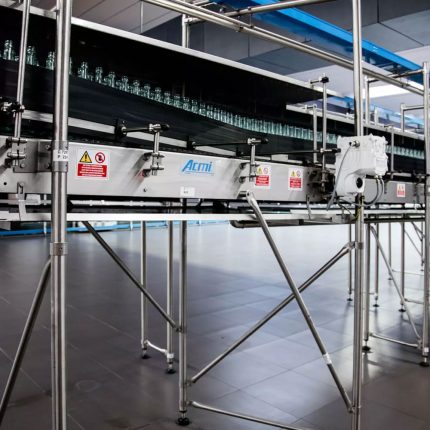
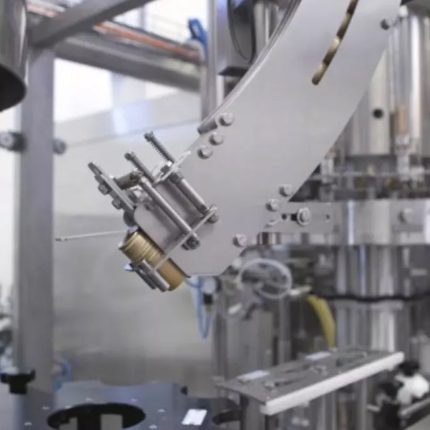
The capping station of the screw capping machines is composed of a column in which the cap distributor, the chute with the releasing head and the capping heads are installed.