
Sustainability in Industrial Operations From Energy Savings to Waste Reduction


Sustainability is no longer a choice — it is a core requirement for modern industrial operations. As global climate concerns rise and regulations tighten, industries across every sector are under pressure to reduce energy consumption, lower emissions, and manage waste more responsibly. Whether it’s food processing, pharmaceuticals, automotive, packaging, or heavy engineering, sustainability has become central to operational strategy.
At the heart of this shift are General Industrial Solutions (Cross-Industry) — a powerful suite of technologies and engineering practices that enable industries to become more efficient, environmentally responsible, and economically sustainable. These solutions provide standardized tools that can be applied across any manufacturing environment to achieve measurable sustainability outcomes.
This article explores how cross-industry industrial solutions help organizations drive energy efficiency, reduce waste, optimize resources, and transition toward greener operations.
Why Sustainability Matters for Industrial Operations
Sustainability delivers benefits far beyond environmental responsibility:
✔ Lower operating costs
Energy-efficient systems reduce utility bills and resource consumption.
✔ Regulatory compliance
Helps industries meet environmental standards (ISO 14001, ESG goals, etc.).
✔ Improved brand reputation
Customers and investors demand sustainable production.
✔ Operational efficiency
Optimized processes reduce rework, scrap, and downtime.
✔ Long-term resilience
Plants become more adaptive to resource shortages and global pressures.
Cross-industry solutions make it easier for any manufacturing facility to build sustainability into its foundation.
Role of General Industrial Solutions (Cross-Industry) in Sustainability
These solutions apply across every type of plant and industry, making them essential for global sustainability initiatives.
Core Cross-Industry Solutions Driving Sustainability:
- Energy-efficient motors & drives
- Smart sensors and automation
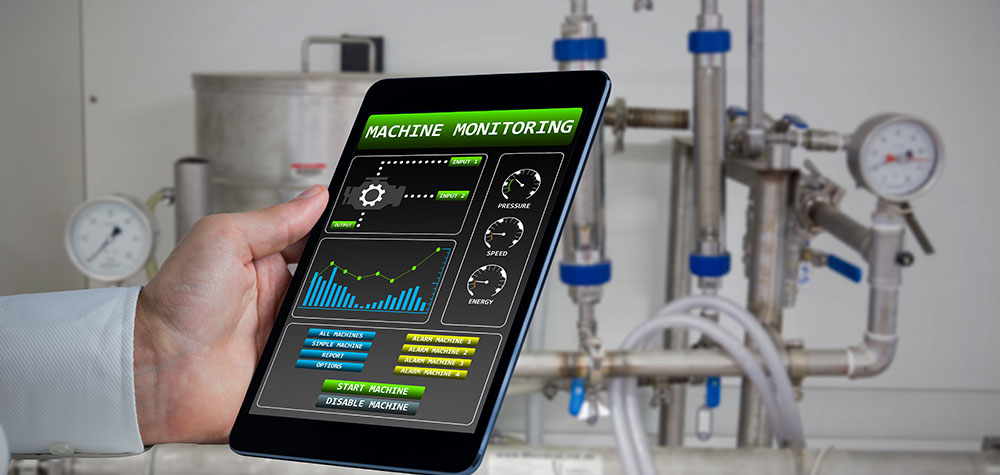
- IIoT-based monitoring systems
- Heat recovery and utility optimization
- Waste minimization technologies
- Advanced process control
- Water recycling systems
- Digital sustainability dashboards
Standardized technologies provide a universal platform to measure, control, and improve sustainability performance.
Energy Savings The First Pillar of Sustainable Industry
Energy is one of the biggest costs in manufacturing. Cross-industry industrial solutions help reduce consumption through:
- Smart Motor Control & VFD Technology
Variable Frequency Drives (VFDs) and high-efficiency motors optimize energy use in:
- Pumps
- Compressors
- Fans
- Mixers
- HVAC systems
Energy savings can reach 30–50% in many applications.
- Real-Time Energy Monitoring
IIoT sensors and cloud dashboards track consumption across:
- Machines
- Production lines
- Utilities
- Departments
Industries gain instant insights into inefficiencies such as:
- Idle machines consuming power
- Leaking compressed air
- Overheating motors
- Poorly maintained equipment
- Heat Recovery & Thermal Optimization
Factories release significant waste heat. Modern systems can reuse it in:
- Preheating water
- Boiler feed systems
- Space heating
- Drying operations
This reduces fuel consumption and emissions.
- Process Optimization with APC
Advanced Process Control reduces variability, stabilizes production, and cuts unnecessary energy usage.
Industries Affected:
Food, dairy, brewing, chemicals, petrochemicals, metals, textiles.
Waste Reduction The Second Pillar of Sustainable Industrial Operations
Sustainable operations also require minimizing waste in materials, water, and processes.
- Material Waste Reduction Through Automation
Automation reduces scrap by:
- Ensuring precise filling
- Reducing packaging errors
- Maintaining consistent dosage
- Eliminating manual variability
Cross-Industry Tools:
Robotics, digital weight systems, vision inspection, PLC-controlled batching.
- Predictive Maintenance to Reduce Equipment Scrap
Unplanned failures lead to broken components and wasted materials. Predictive technologies prevent this by monitoring:
- Vibrations
- Temperature
- Pressure
- Wear patterns
Industries optimize maintenance schedules and extend equipment life.
- Water Conservation and Recycling
Water is a critical resource, especially in:
- Food & beverage
- Chemicals
- Textiles
- Pharmaceuticals
Solutions include:
- Smart flow meters
- Closed-loop water systems
- Automated CIP (Clean-in-Place)
- Wastewater recycling technologies
- Process Redesign Using Digital Twins
Digital twins simulate processes before implementation, helping:
- Reduce trial-and-error waste
- Optimize material usage
- Improve product quality
- Reduce risk of failures
This virtual approach saves resources across industries.
Emissions Reduction Supporting a Low-Carbon Future
Cross-industry technologies help industries track and reduce greenhouse gases:
✔ Smart combustion control
Optimizes burners and boilers for minimum emissions.
✔ Automated leak detection
Especially critical in chemical and gas industries.
✔ Carbon monitoring solutions
Real-time CO₂ tracking across plants.
✔ Energy transition tools
Integration of solar, steam recovery, and renewable energy sources.
Digitalization The Backbone of a Sustainable Plant
Digital tools enable transparent, data-driven sustainability strategies.
Digital systems enable:
- Automated reports
- ESG performance tracking
- Waste analytics
- Energy benchmarking
- Production optimization
Factories can identify waste hotspots and improve continuously.
Industry Examples Sustainability in Action
Food & Beverage
- Automated CIP saves water and detergents
- Energy-efficient refrigeration units
- Waste heat recovery
Pharmaceuticals
- Cleanroom energy optimization
- Automated dosing reduces material waste
- Zero-error digital documentation
Automotive
- Robotic welding reduces scrap
- Energy-efficient paint shops
- Digitalized assembly lines
Chemicals
- Advanced process control lowers emissions
- Smart boiler control
- Leak detection systems
Textiles
- Efficient dyeing and drying processes
- Water recycling units
- Energy monitoring for boilers
The same cross-industry technologies apply everywhere — only the use case changes.
The Future of Sustainable Industrial Operations
The next wave of sustainability will include:
✔ AI-driven resource optimization
Dynamic adjustment of energy, water, and materials.
✔ Zero-waste factories
Recycling built directly into processes.
✔ Fully digital sustainability management
Real-time footprint monitoring.
✔ Green automation technologies
Low-energy robotics and smart motors.
✔ Autonomous sustainability systems
Plants that self-correct environmental inefficiencies.
Conclusion
Sustainability is now a critical pillar of modern manufacturing success. Through General Industrial Solutions (Cross-Industry) — including automation, digitalization, smart energy systems, and waste reduction technologies — industries can significantly reduce their environmental impact while improving efficiency, productivity, and profitability.
From energy savings to waste reduction and emissions control, cross-industry solutions enable manufacturers to future-proof their operations and build a more sustainable world.