


Pasteurization to Packaging: Optimizing the Dairy Value Chain

The Dairy Industry operates in a complex landscape where efficiency, product quality, and food safety are critical. From pasteurization to packaging, each step of the dairy value chain must be carefully engineered to maximize productivity, minimize waste, and ensure compliance with strict hygiene standards. Optimizing the value chain enables dairy producers to deliver safe, high-quality products while maintaining profitability and sustainability.

Pasteurization: The Foundation of Dairy Safety
Pasteurization is the first critical step in the dairy value chain. Its main purpose is to eliminate harmful microorganisms while preserving the nutritional quality and taste of milk.
Key optimization strategies include:
- Advanced heat treatment technologies: HTST (High Temperature Short Time) and UHT (Ultra High Temperature) systems for efficient microbial control
- Automated temperature monitoring: Ensures precise heating and cooling
- Energy recovery systems: Reduces energy consumption during heating and cooling cycles
- Real-time data logging: Maintains traceability and supports regulatory compliance
Optimized pasteurization ensures safety, extends shelf life, and improves overall production efficiency.
Homogenization and Standardization
After pasteurization, milk often undergoes homogenization and standardization to ensure consistent quality and texture:
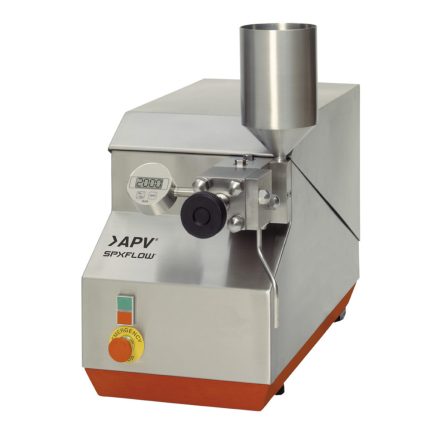
- Homogenization: Breaks down fat globules for uniform distribution
- Standardization: Adjusts fat and protein content to meet product specifications
- Automated control systems: Ensure accuracy and reduce manual errors
Optimizing these processes improves product consistency, a key factor for consumer satisfaction.
Cheese, Yogurt, and Specialty Dairy Production
In the dairy value chain, downstream products such as cheese, yogurt, and flavored milk require tailored processing:
- Cheese production: Automated curd cutting, whey separation, and pressing improve yield and consistency
- Yogurt production: Precise temperature control and starter culture automation ensure uniform fermentation
- Specialty products: Functional and fortified dairy products require accurate dosing of additives and ingredients
Efficient processing of value-added products enhances profitability and product diversity.
Packaging Optimization
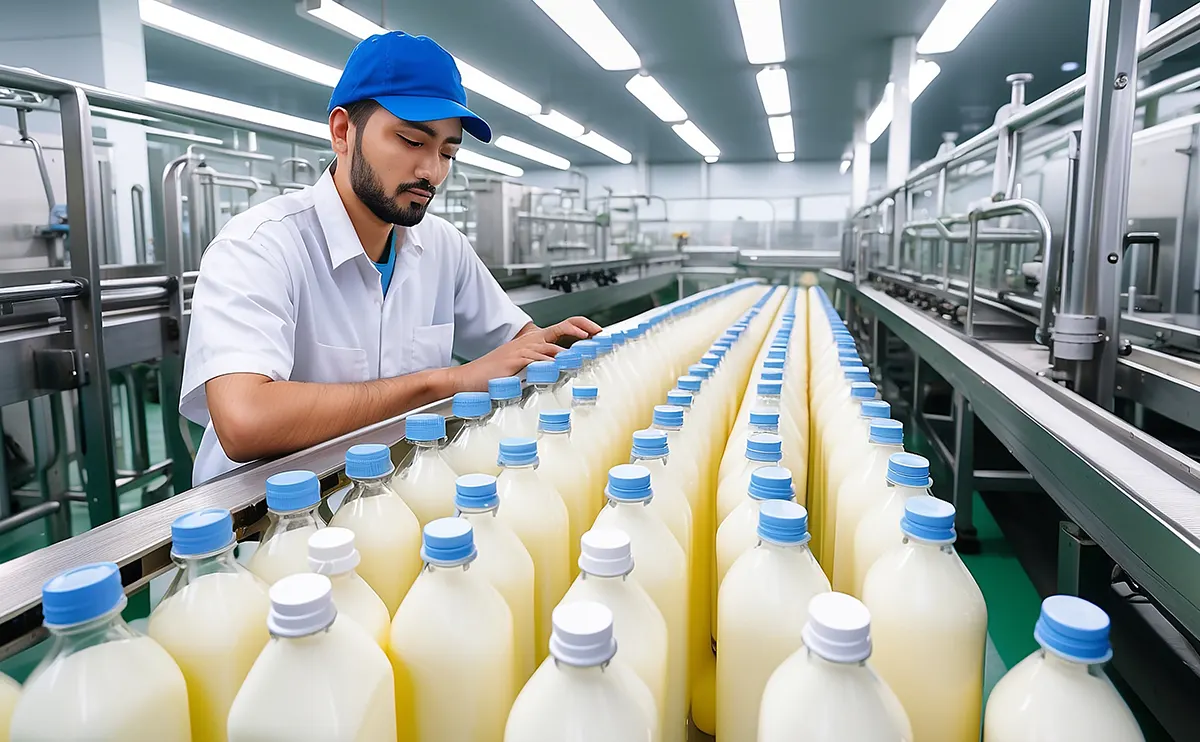
Packaging is the final critical step in the dairy value chain, directly affecting product shelf life, safety, and consumer appeal.
Modern packaging optimization strategies include:
- Automated filling and sealing systems: Reduce spillage and contamination risk
- Flexible packaging lines: Support multiple formats (bottles, cartons, cups)
- Integrated quality inspection: Vision systems check fill levels, closures, and labels
- Sustainable packaging options: Eco-friendly materials reduce environmental impact
Optimized packaging ensures safe delivery, maintains product integrity, and supports brand reputation.
Automation and Digital Monitoring
Across the dairy value chain, automation and digital systems improve efficiency, safety, and traceability:
- SCADA & MES integration: Monitors all stages from pasteurization to packaging
- IoT sensors: Track temperature, flow, and pressure in real-time
- Predictive maintenance: Reduces equipment downtime and prolongs machinery life
- Data-driven decision making: Optimizes throughput, reduces energy consumption, and minimizes waste
Automation ensures seamless integration of processes and consistent product quality.
Hygiene and Food Safety Throughout the Chain
Hygiene is essential in dairy processing to prevent contamination and ensure compliance:
- CIP (Clean-in-Place) systems: Enable rapid and efficient cleaning
- Sterilization of packaging lines: Reduces microbial contamination
- Allergen management: Segregation and cleaning prevent cross-contamination
- Traceability systems: Maintain a complete audit trail from raw milk to final product
Optimized hygiene practices protect consumers and support regulatory compliance.
Sustainability in the Dairy Value Chain
Optimizing the dairy value chain also promotes sustainability:
- Energy-efficient pasteurization and cooling
- Reduced water and chemical use during cleaning
- Minimization of product waste through automation
- Use of recyclable and eco-friendly packaging materials
Sustainable practices reduce operational costs while enhancing corporate responsibility.
Conclusion
Optimizing the dairy value chain from pasteurization to packaging is essential for the modern Dairy Industry. By integrating advanced processing technologies, automation, digital monitoring, and sustainable practices, dairy manufacturers can:
- Improve efficiency and throughput
- Maintain product quality and safety
- Reduce waste and operational costs
- Deliver diverse, high-quality products to consumers
A fully optimized value chain ensures that dairy operations remain competitive, compliant, and future-ready in an increasingly demanding market.
Start earning on autopilot—become our affiliate partner!