
Valves

Valves are critical industrial machines used to control, regulate, and direct the flow of liquids, gases, or slurries within pipelines and process systems. They play a vital role in food & beverage, dairy, pharmaceutical, chemical, oil & gas, water treatment, and power industries, ensuring process safety, efficiency, and precision.

What Is a Valve Machine?

A valve is a mechanical device installed in a pipeline that opens, closes, or modulates flow. Valves can also regulate pressure, prevent backflow, and control fluid direction. They are essential for maintaining smooth operations, process accuracy, and safety in industrial systems.
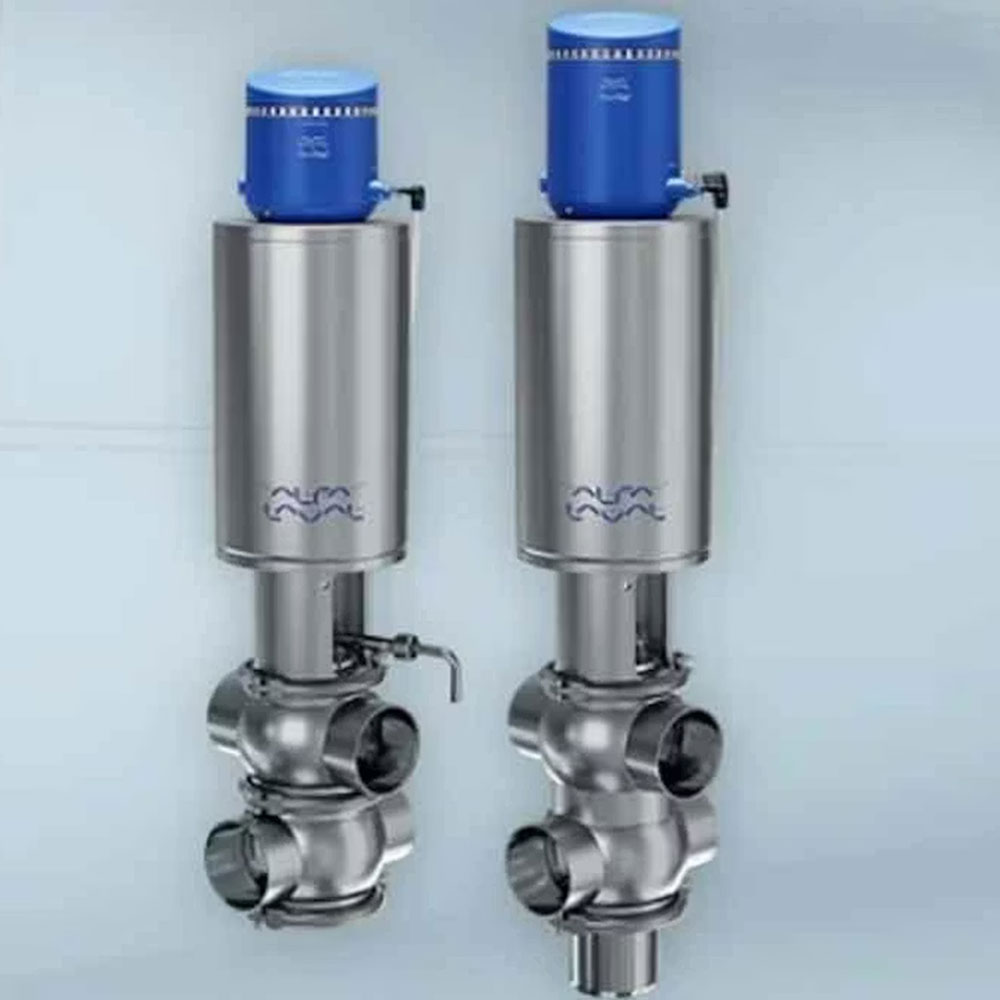
Types of Industrial Valves

  1. Ball Valves
  • Use a rotating ball with a hole to control flow
  • Quick on/off operation
  • Suitable for liquids and gases with high pressure
  • Common in chemical, water, and beverage industries
  1. Butterfly Valves
  • Disc rotates to regulate flow
  • Lightweight, compact, and cost-effective
  • Ideal for large-diameter pipelines
  • Used in HVAC, water treatment, and food processing
  1. Check Valves
  • Allow flow in one direction only
  • Prevent backflow and protect pumps
  • Used in water, chemical, and oil pipelines
  1. Globe Valves
  • Linear motion for precise flow control
  • Ideal for throttling applications
  • Used in chemical processing and pharmaceutical plants
  1. Diaphragm Valves
  • Flexible diaphragm controls flow
  • Hygienic and easy to clean
  • Common in food, beverage, and pharmaceutical industries
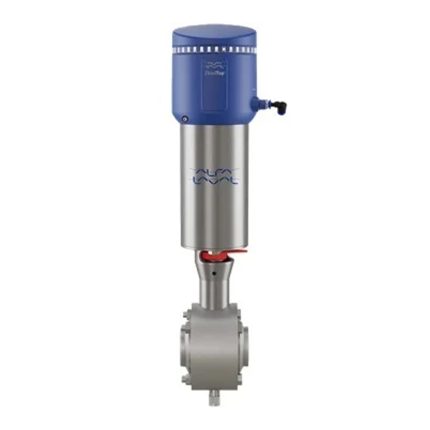
  1. Control Valves
  • Automated valves for precise flow, pressure, and temperature control
  • Integrated with PLC or SCADA systems
  • Widely used in continuous process industries

Applications of Valve Machines

Valves are used across multiple industries:

  • Food & Beverage: Syrup lines, juice pipelines, dairy processing
  • Pharmaceuticals: Sterile process control and clean-in-place systems
  • Chemical Industry: Corrosive and high-pressure fluid handling
  • Oil & Gas: Fuel transfer, pipeline control, and safety systems
  • Water Treatment: Flow regulation, dosing, and distribution

Benefits of Valve Machines

  • Precise control over flow, pressure, and direction
  • Ensures safety and prevents system damage
  • Reduces downtime and maintenance costs
  • Compatible with automation and process control systems
  • Hygienic designs available for food and pharmaceutical applications

Key Components of Valve Systems

  • Valve Body
  • Seat and Seal
  • Actuator (manual, pneumatic, or electric)
  • Stem and Disc / Ball / Gate
  • Control Panel or PLC (for automated valves)

Maintenance & Operational Considerations

  • Regular inspection for leaks or wear
  • Proper lubrication of moving parts
  • Calibration for automated valves
  • Cleaning for sanitary applications
  • Replacement of worn seals and gaskets

Conclusion

Valve machines are indispensable for industrial fluid handling systems, providing control, safety, and efficiency in critical operations. Selecting the right valve type based on process requirements, pressure, temperature, and fluid properties ensures optimal performance, reliability, and long-term operation.

No products were found matching your selection.