Sugar Dissolution System

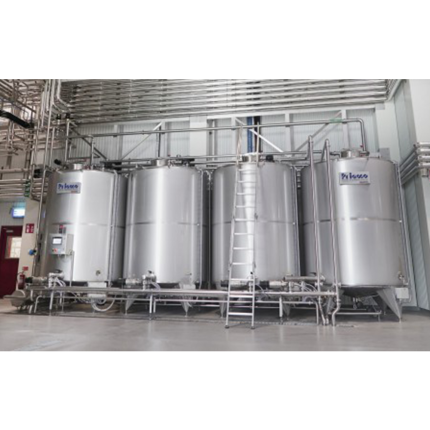
Sugar dissolution systems are specialized industrial systems designed to dissolve crystalline sugar into water efficiently and hygienically, producing a clear and uniform sugar syrup. These systems are widely used in beverage, food processing, dairy, confectionery, and pharmaceutical industries, where consistent sweetness, clarity, and quality are essential.

What Is a Sugar Dissolution System?

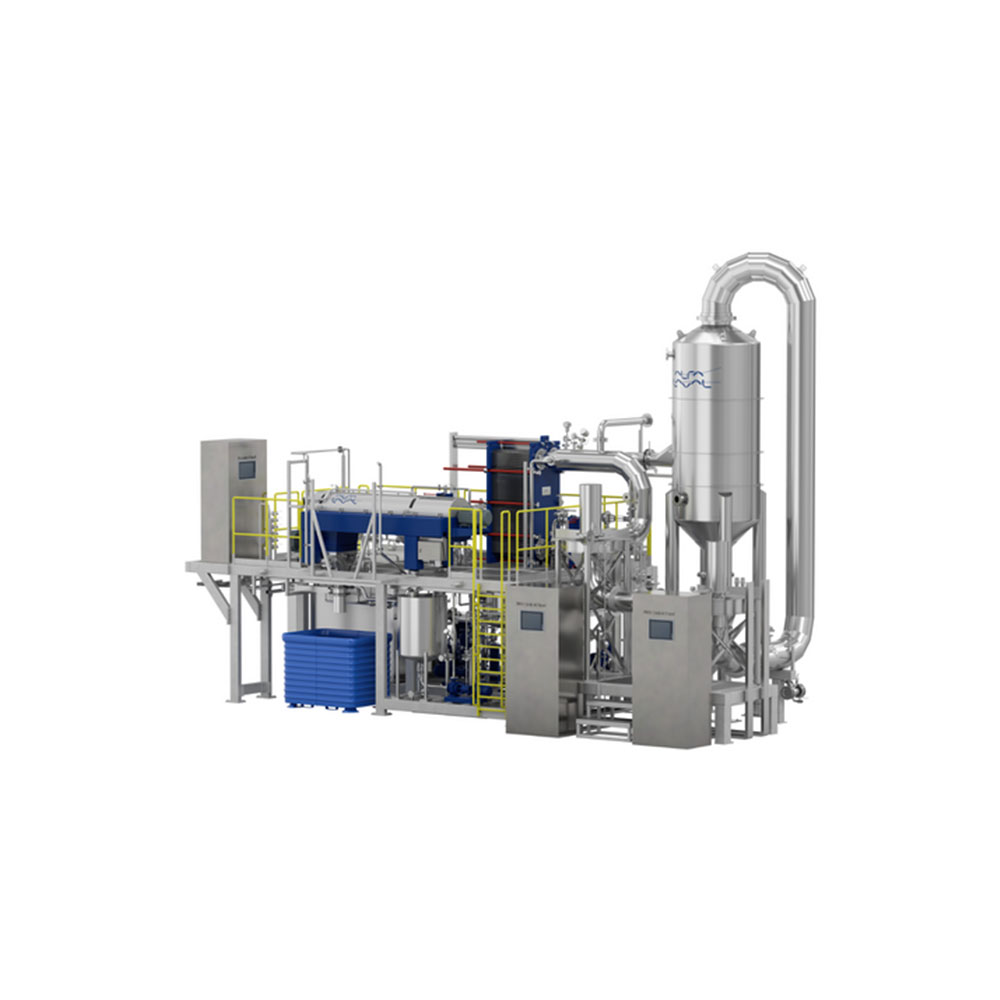
A sugar dissolution system is an integrated setup that combines mixing, heating, and filtration equipment to dissolve sugar rapidly and completely in water. The system ensures that the sugar solution is homogeneous, free from undissolved particles, and suitable for downstream processing such as syrup preparation, beverage blending, or fermentation.
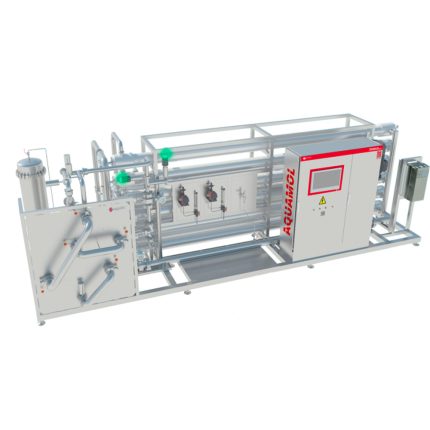
Key Components of a Sugar Dissolution System

  • Sugar Feeding Unit – Manual or automated sugar loading system
  • Dissolution Tank / Mixing Vessel – Stainless steel tank with agitator
  • Heating System – Steam or electric heaters to speed up dissolution
  • High-Efficiency Agitator / Mixer – Ensures fast and uniform mixing
  • Filtration System – Removes impurities and undissolved particles
  • Transfer Pumps & Piping – Move syrup to storage or blending units
  • PLC-Based Control Panel – Automates temperature, mixing speed, and process time

Types of Sugar Dissolution Systems

  1. Batch Sugar Dissolution Systems
  • Suitable for small to medium-scale production
  • Flexible recipe control
  • Widely used in food and beverage plants
  1. Continuous Sugar Dissolution Systems
  • Designed for high-capacity operations
  • Constant syrup output
  • Ideal for large beverage and soft drink plants

Applications of Sugar Dissolution Systems

  • Beverage Industry: Soft drinks, juices, flavored water, energy drinks
  • Dairy Industry: Flavored milk, yogurt drinks, ice cream mixes
  • Confectionery: Syrups, candies, and sweet coatings
  • Pharmaceuticals: Syrups and liquid medicines
  • Food Processing: Sauces, jams, and processed foods

Benefits of Sugar Dissolution Systems

  • Fast and complete sugar dissolution
  • Consistent syrup concentration (Brix control)
  • Improved product clarity and quality
  • Reduced manual handling and labor
  • Hygienic and CIP-compatible design

Automation & Hygiene Features

  • Fully automated operation with PLC controls
  • Stainless steel construction for food-grade safety
  • Integration with CIP systems
  • Accurate temperature and Brix monitoring

Conclusion

Sugar dissolution systems are a vital part of modern liquid processing plants, ensuring efficient, hygienic, and consistent syrup preparation. By providing precise control over mixing, temperature, and concentration, these systems help manufacturers maintain product quality, improve operational efficiency, and support high-volume production requirements.

Aquamol

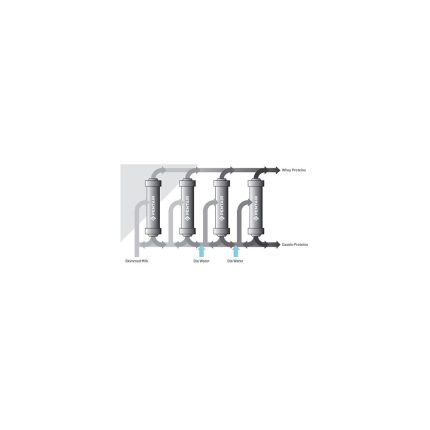
quamol® is the cornerstone of Seppelec’s water treatment solutions, epitomizing their leadership in the industry. In response to growing demands for high-quality drinking water, membrane filtration has emerged as the foremost technology for achieving superior mineral reduction and effective particle elimination in water treatment processes. This cutting-edge approach ensures that water meets stringent quality standards, making it suitable for consumption and various industrial applications.

Automatic CIP systems

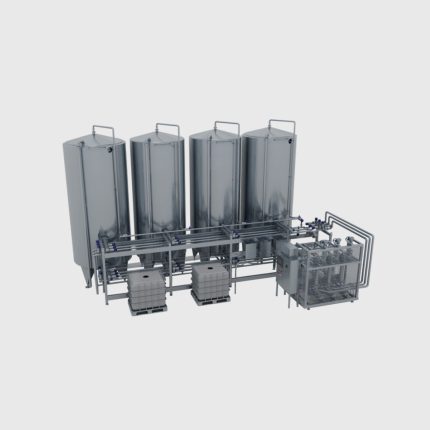
CIP (cleaning in place) systems are used to clean productive units for foods and beverages such as fruit juices, dairy products, and pharmaceutical products, and any company premises where elevated standards of hygiene and cleanliness are required.

Batching and Blending Systems

Automatic or semi-automatic ingredient batching and blending systems for continuous or sequential batching by weight or magnetic instruments.

CIP (Clean-In-Place) Systems

CIP (Clean-In-Place) systems are used for cleaning the equipment used in the production of beverages, beer, cider, fruit juices, foodstuffs, dairy products, pharmaceutical products

Concentrate Drum Emptying Systems

Manual systems with diaphragm or displacement pumps, automatic systems with shutters for containers of from 25 to 1,000 kg.

Contimol

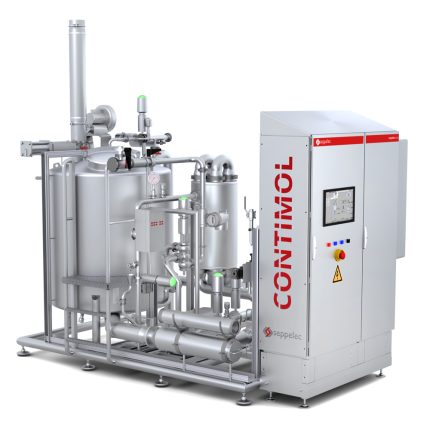
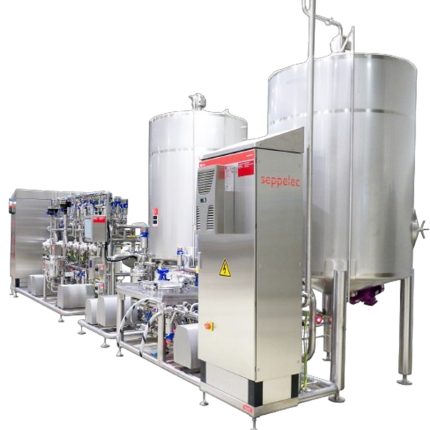
Contimol® is the market leader unit for continuous sugar dissolution for the past 45 years. Since the early skids it has evolved incorporating a whole lot of technical innovations to bring up a modern, accurate and compact unit which produces homogenized simple syrup in continuous.

Continuous Sugar Dissolving System

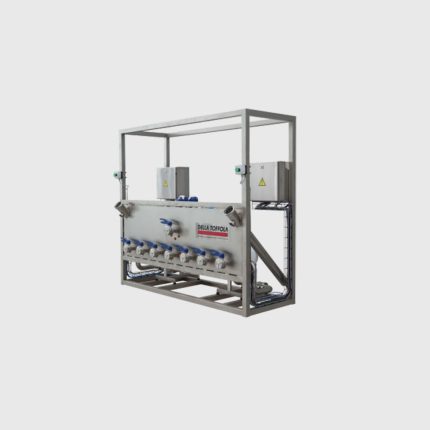
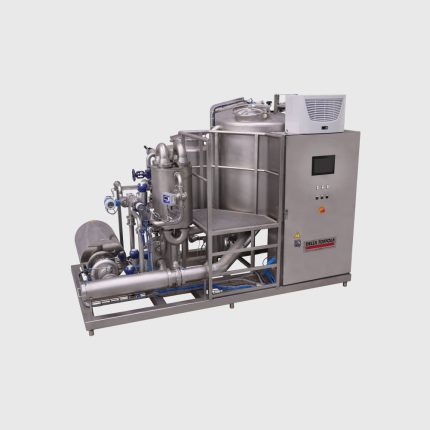
The Della Toffola continuous sugar dissolving system is used to produce sugar syrup (simple syrup) with constant quality and concentration.

DECOMOL

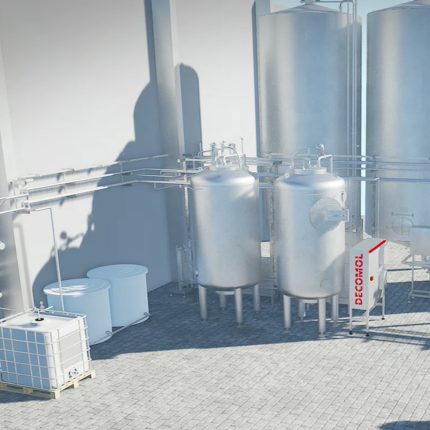
Decomol® is the optimal sugar clarification equipment demanded by the sector. The correct selection and combination of technologies have positioned it for over 31 years as a reliable alternative to refined sugar production.

EcoPASTEUR

THERMAL TREATMENT UNIT WITH MULTIFUNCTIONAL DESIGN

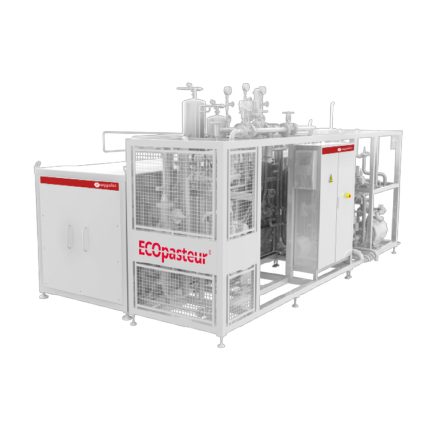
The EcoPasteur is Seppelec’s technical solution for thermal pasteurization and sterilization processes in beverages. The selection of thermal profiles and heat exchange equipment allows the system to extend operational uptime and reduce cleaning requirements.

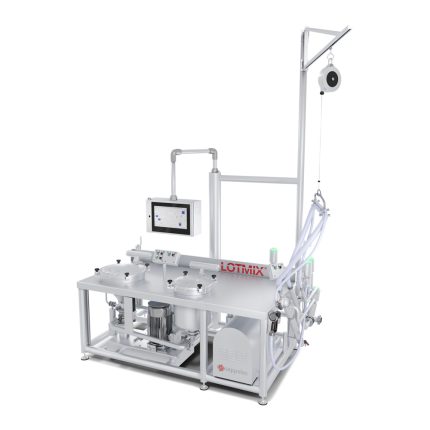
LOTMIX®

The Lotmix® is the evolution of traditional mixing equipment, presented as a multifunctional unit that not only dissolves solid ingredients but also integrates liquid ingredients and manages the entire product manufacturing process.

MASSMOL

The Massmol® has been updated over the years and the available technology has allowed new forms of control to be reliably incorporated. Starting out as a unit for dosing liquid parts, the Massmol has become a worldwide benchmark in the continuous production of beverages with all kinds of ingredients.

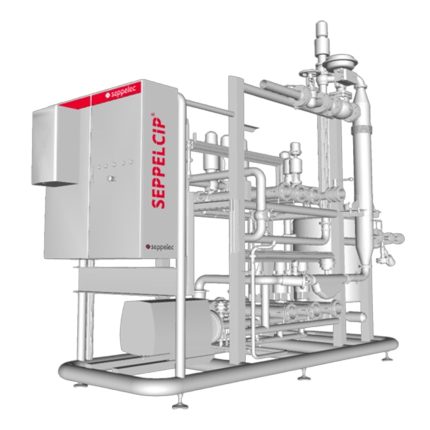
SEPPELCIP®

SeppelCIP® stands as a testament to years of expertise in the industry and close collaboration with cleaning agent companies. This collaborative effort has yielded a meticulously refined system that integrates all necessary components for precise cleaning control. Each element of the SeppelCIP has been carefully engineered to optimize the efficiency of cleaning processes while minimizing environmental impact.