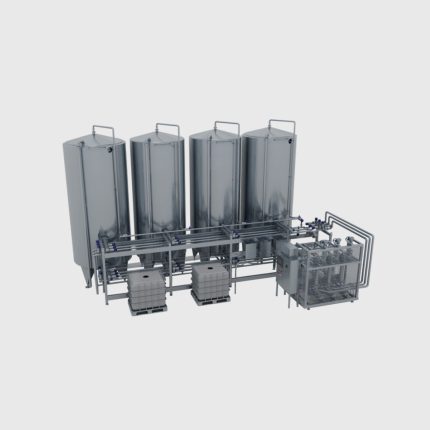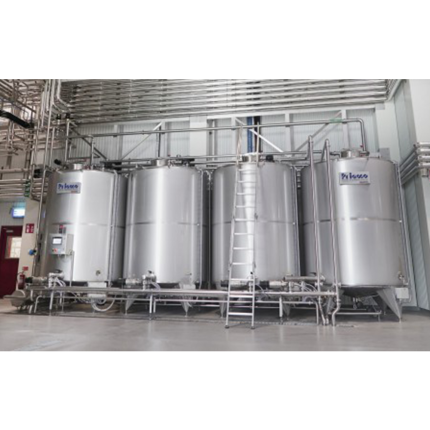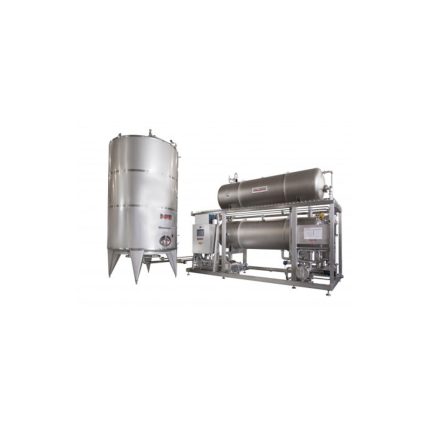
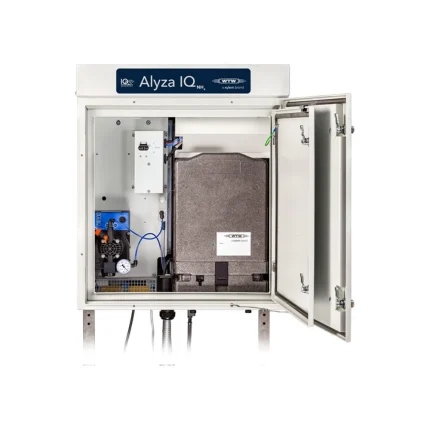
CIP Systems

CIP Systems (Clean-In-Place) are specialized industrial cleaning machines designed to automatically clean the interior surfaces of process equipment, pipelines, tanks, heat exchangers, and filling machines without dismantling them. CIP systems are widely used in hygiene-critical industries such as food & beverage, dairy, pharmaceuticals, biotechnology, and personal care manufacturing, where cleanliness and contamination control are paramount.

What Is a CIP System?

A CIP system is an integrated cleaning solution that circulates cleaning chemicals, water, and sanitizing agents through processing equipment under controlled conditions of time, temperature, flow, and chemical concentration. These systems ensure effective removal of residues, bacteria, and biofilms while minimizing manual intervention and production downtime.

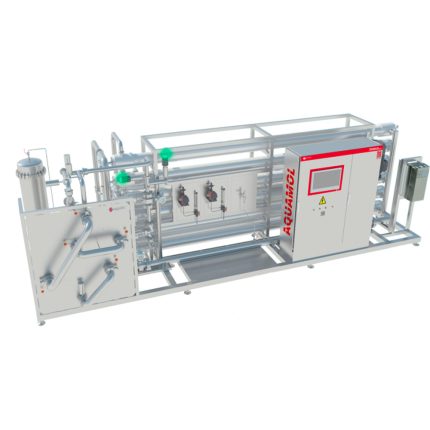
Main Components of a CIP System

  1. CIP Tanks

Used to store cleaning solutions.

  • Water Tank
  • Alkali (Caustic) Tank
  • Acid Tank
  • Recovery Tank
  1. Pumps

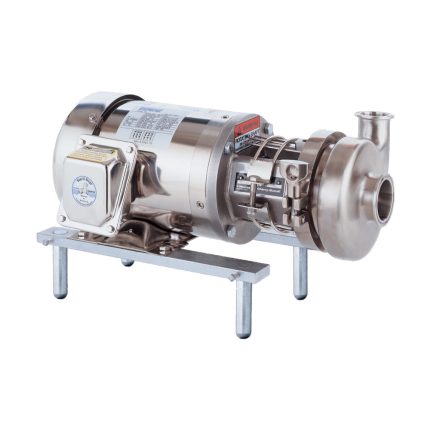
CIP pumps circulate cleaning fluids at high velocity to ensure thorough cleaning of internal surfaces.

  1. Heat Exchangers

Heat cleaning solutions to the required temperature for effective sanitation.

  1. Valves & Piping

Automated valves control the flow and direction of cleaning fluids through different process lines.

  1. Instrumentation & Analyzers

Monitor critical parameters:

  • Conductivity
  • Temperature
  • Flow Rate
  • Chemical Concentration
  1. Control Panel (PLC-Based)

Controls and automates the entire CIP cycle, ensuring repeatable and validated cleaning processes.

Types of CIP Systems

  1. Single-Use CIP Systems

Designed for cleaning one production line or machine at a time.

  1. Multi-Use / Centralized CIP Systems

Serve multiple production lines and areas from a single centralized unit.

  1. Manual / Semi-Automatic CIP Systems

Operator-controlled systems for small-scale or flexible operations.

  1. Fully Automatic CIP Systems

PLC-controlled systems with recipe management and data logging.

Applications of CIP Systems

CIP systems are essential in industries requiring strict hygiene:

  • Food & Beverage: Dairy plants, breweries, beverage bottling lines
  • Pharmaceuticals: Sterile process equipment and pipelines
  • Personal Care: Cream, lotion, and shampoo production
  • Biotechnology: Fermentation and aseptic processing

Benefits of CIP Systems

  • Consistent and validated cleaning results
  • Reduced downtime and labor costs
  • Improved product safety and quality
  • Efficient use of water and chemicals
  • Compliance with international hygiene standards

CIP Process Stages

A typical CIP cycle includes:

  1. Pre-Rinse (Water Flush)
  2. Caustic Wash (Removal of organic residues)
  3. Intermediate Rinse
  4. Acid Wash (Removal of mineral deposits)
  5. Final Rinse / Sanitization

Conclusion

CIP systems are a critical part of modern hygienic processing plants, ensuring reliable, repeatable, and efficient cleaning without dismantling equipment. By improving sanitation, reducing contamination risks, and supporting regulatory compliance, CIP systems contribute significantly to safe and efficient industrial operations.

Aquamol

quamol® is the cornerstone of Seppelec’s water treatment solutions, epitomizing their leadership in the industry. In response to growing demands for high-quality drinking water, membrane filtration has emerged as the foremost technology for achieving superior mineral reduction and effective particle elimination in water treatment processes. This cutting-edge approach ensures that water meets stringent quality standards, making it suitable for consumption and various industrial applications.

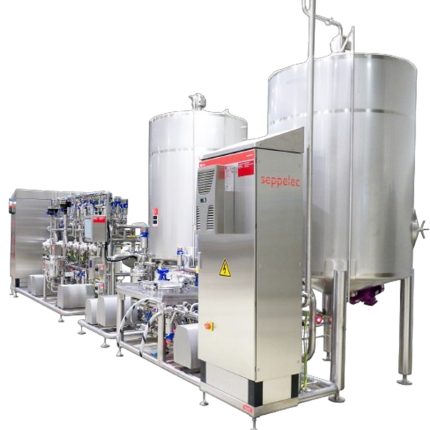
Automatic CIP systems

CIP (cleaning in place) systems are used to clean productive units for foods and beverages such as fruit juices, dairy products, and pharmaceutical products, and any company premises where elevated standards of hygiene and cleanliness are required.

CIP (Clean-In-Place) Systems

CIP (Clean-In-Place) systems are used for cleaning the equipment used in the production of beverages, beer, cider, fruit juices, foodstuffs, dairy products, pharmaceutical products

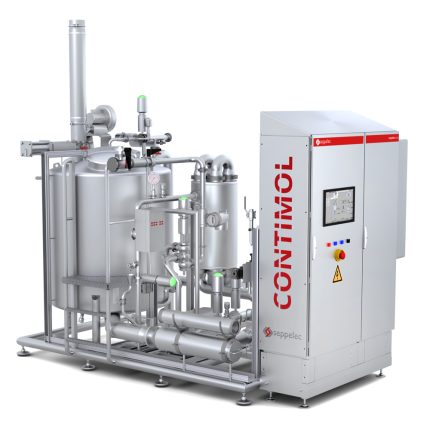
Contimol

Contimol® is the market leader unit for continuous sugar dissolution for the past 45 years. Since the early skids it has evolved incorporating a whole lot of technical innovations to bring up a modern, accurate and compact unit which produces homogenized simple syrup in continuous.

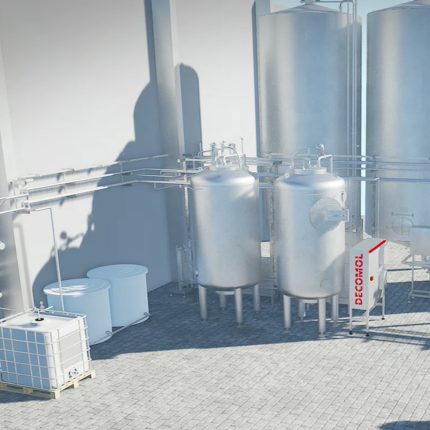
DECOMOL

Decomol® is the optimal sugar clarification equipment demanded by the sector. The correct selection and combination of technologies have positioned it for over 31 years as a reliable alternative to refined sugar production.

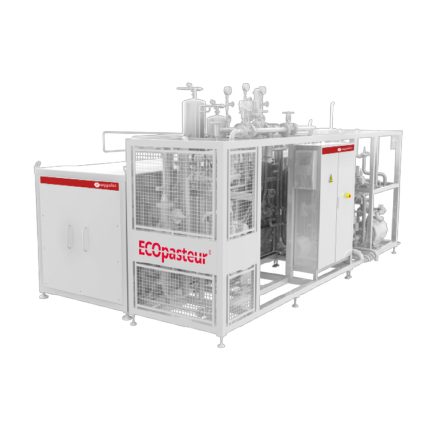
EcoPASTEUR

THERMAL TREATMENT UNIT WITH MULTIFUNCTIONAL DESIGN

The EcoPasteur is Seppelec’s technical solution for thermal pasteurization and sterilization processes in beverages. The selection of thermal profiles and heat exchange equipment allows the system to extend operational uptime and reduce cleaning requirements.

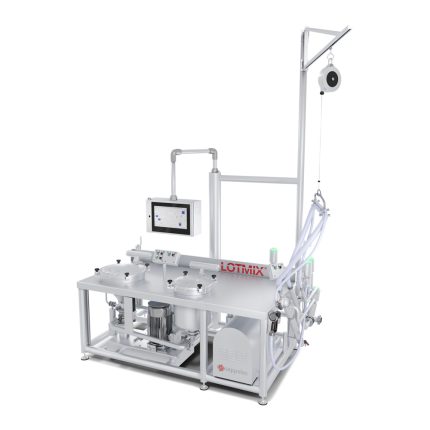
LOTMIX®

The Lotmix® is the evolution of traditional mixing equipment, presented as a multifunctional unit that not only dissolves solid ingredients but also integrates liquid ingredients and manages the entire product manufacturing process.

MASSMOL

The Massmol® has been updated over the years and the available technology has allowed new forms of control to be reliably incorporated. Starting out as a unit for dosing liquid parts, the Massmol has become a worldwide benchmark in the continuous production of beverages with all kinds of ingredients.

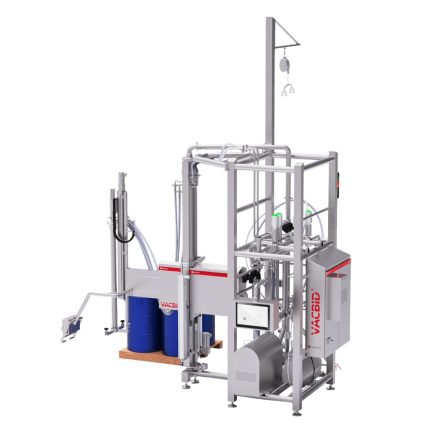
VACBID

AUTOMATIC EMPTYING SYSTEM FOR PULPS & CONCENTRATES

Vacbid® is the ideal equipment for emptying high-viscosity products, suitable for the production of juices, soft drinks, or any product that requires quick and efficient emptying with minimal operator intervention.

Water Deaeration System

All beverages are extremely sensitive to dissolved oxygen because of the way it can significantly alter taste and color.