
Sustainable HVACR Solutions Cutting Carbon Emissions and Energy Costs in Industrial Facilities

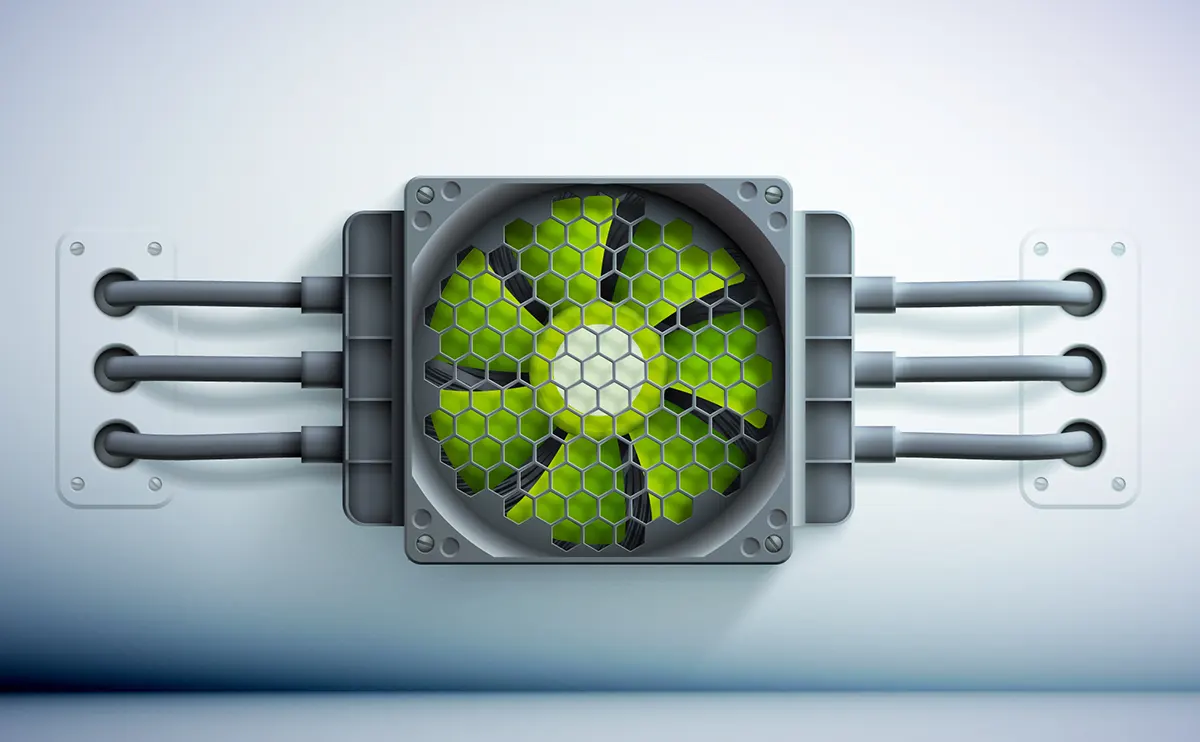
Industrial facilities are among the largest energy consumers, with HVACR (Heating, Ventilation, Air Conditioning, and Refrigeration) systems accounting for a significant portion of electricity usage and carbon emissions. As sustainability becomes a global priority, industries are adopting energy-efficient and eco-friendly HVACR solutions to reduce environmental impact, improve operational efficiency, and meet regulatory standards.
Sustainable HVACR is no longer optional—it is a strategic investment for modern industrial facilities seeking to balance productivity, cost savings, and environmental responsibility.
The Environmental Impact of Industrial HVACR Systems
HVACR systems in industrial facilities contribute to:
- High electricity consumption due to heating, cooling, and ventilation
- Significant greenhouse gas emissions from refrigerants with high GWP (Global Warming Potential)
- Energy wastage from inefficient equipment and poor maintenance
Optimizing these systems is critical to reducing carbon footprints and meeting sustainability goals.
Key Strategies for Sustainable HVACR
- Energy-Efficient Equipment
- Use of high-efficiency chillers, compressors, and fans
- Variable Speed Drives (VSDs) to match energy output with demand
- Modern heat exchangers with optimized thermal transfer
- Eco-Friendly Refrigerants
- Transition from traditional HFCs to natural refrigerants like CO₂, ammonia, or hydrocarbons
- Reduced Global Warming Potential (GWP) and ozone depletion
- Compliance with environmental regulations
- Automation and Smart Controls
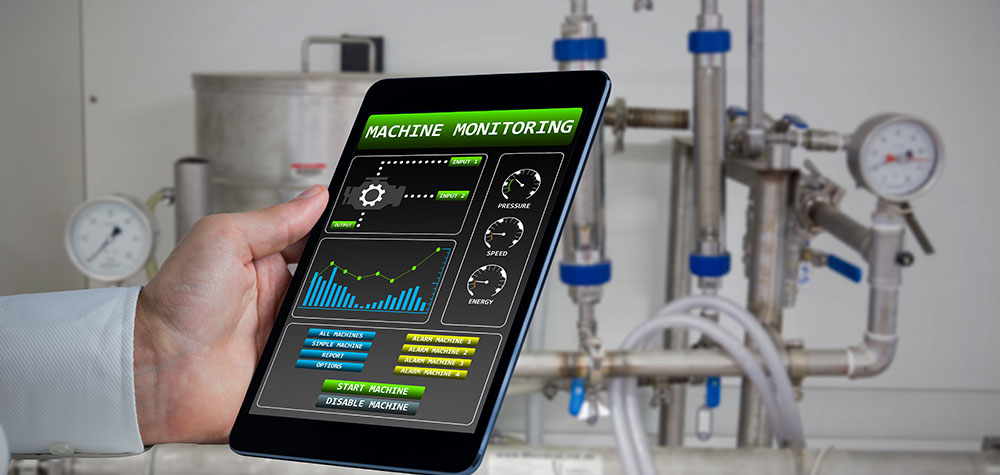
- IoT-enabled sensors monitor temperature, pressure, and energy consumption
- Automated control systems adjust cooling/heating based on real-time demand
- Predictive maintenance prevents inefficiencies and equipment failures
- Heat Recovery and Reuse
- Capture waste heat from compressors or condensers for water or space heating
- Integrate with industrial processes to reduce fuel consumption
- Improves overall energy efficiency and lowers carbon emissions
- Optimized Facility Design
- Proper insulation and airflow management reduce energy load
- Zoning strategies ensure only necessary areas are cooled or heated
Efficient ducting and pipeline layouts minimize energy loss
Benefits of Sustainable HVACR Solutions
- Environmental Benefits
- Lower greenhouse gas emissions
- Reduced refrigerant leakage impact
- Supports corporate sustainability initiatives
- Economic Benefits
- Lower energy bills through efficient operation
- Reduced maintenance costs via predictive and automated systems
- Extended equipment lifespan with optimized operation
- Operational Benefits
- Consistent temperature and humidity control
- Improved product quality in manufacturing, food, and dairy industries
Enhanced worker comfort and safety
Applications in Industrial Facilities
Sustainable HVACR solutions can be applied across various sectors:
- Food & Dairy Plants: Energy-efficient chillers and heat recovery systems reduce energy consumption while ensuring product safety
- Pharmaceutical & Chemical Facilities: Precise environmental control with low-GWP refrigerants
- Manufacturing Plants: Optimized ventilation and cooling improve equipment reliability and worker comfort
- Cold Storage & Warehouses: Smart refrigeration systems reduce energy use and maintain temperature consistency
Each application demonstrates measurable improvements in energy efficiency, cost savings, and environmental impact.
Emerging Trends in Sustainable HVACR
- AI & Machine Learning: Predictive analytics for energy optimization
- Renewable Integration: Solar-assisted HVAC, geothermal heat pumps
- Advanced Monitoring: Real-time dashboards for energy and carbon tracking
- Hybrid Systems: Combining conventional and natural refrigerants for efficiency and sustainability
These innovations make HVACR systems smarter, greener, and more cost-effective.
Conclusion
Sustainable HVACR is essential for industrial facilities aiming to reduce their carbon footprint, cut energy costs, and maintain operational excellence. By adopting energy-efficient equipment, eco-friendly refrigerants, automated controls, heat recovery, and optimized facility design, industrial operations can achieve measurable environmental and economic benefits.
Investing in sustainable HVACR not only supports global sustainability goals but also positions industrial facilities for long-term competitiveness, regulatory compliance, and operational efficiency.