
Why Hygienic Design Is Critical in Modern Food Processing Facilities

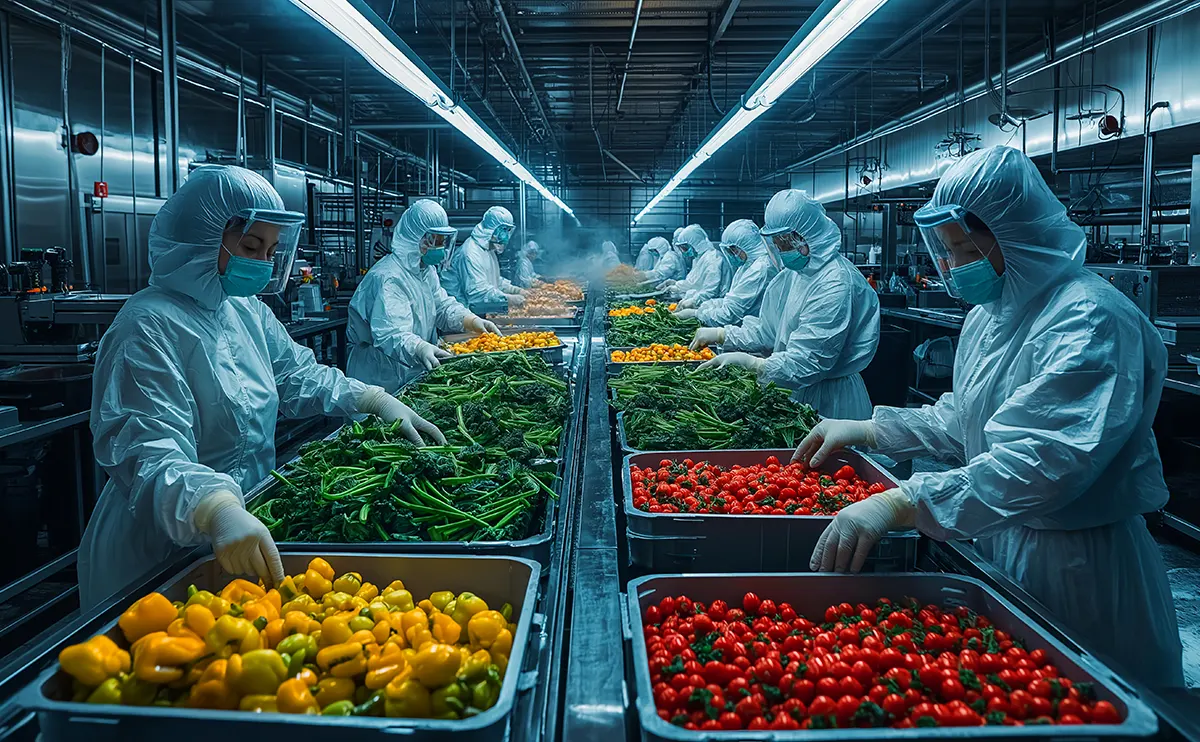
In the Food & Beverage Industry, food safety is non-negotiable. Contamination risks, regulatory pressures, and consumer expectations demand that manufacturers build food processing facilities with hygienic design at the core. Proper hygienic engineering ensures that products are safe, high-quality, and compliant with global standards from production to packaging.
Modern food processing facilities rely on hygienic design principles to prevent contamination, reduce downtime, improve operational efficiency, and protect brand reputation.
Understanding Hygienic Design
Hygienic design refers to the practice of constructing food processing equipment and facilities to prevent contamination and facilitate easy cleaning. It encompasses material selection, equipment layout, surface finish, and process control.
Key principles include:
- Smooth, crevice-free surfaces to prevent microbial growth
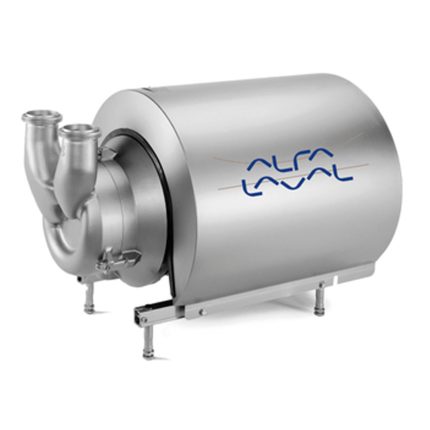
- Stainless steel construction for corrosion resistance
- Proper drainage and sloped surfaces for cleaning
- Minimized dead zones where food or liquid can accumulate
- Easy access to equipment for cleaning and inspection
By integrating these principles, manufacturers can reduce contamination risks and maintain consistent product quality.
Regulatory Compliance Requires Hygienic Design
Modern food regulations are strict, and non-compliance can lead to recalls, fines, or facility shutdowns. Hygienic design is often a legal requirement:
- HACCP (Hazard Analysis Critical Control Points): Requires control of contamination points
- ISO 22000 / FSSC 22000: Focuses on systematic food safety management
- GMP (Good Manufacturing Practices): Mandates facility and equipment hygiene
- FDA and EU Regulations: Enforce sanitary equipment design
Facilities built with hygienic design principles simplify compliance, support audits, and reduce regulatory risk.
Reducing Contamination Risks
Contamination in food processing can be biological, chemical, or physical. Hygienic design addresses these risks:
- Biological: Prevents microbial growth through cleanable surfaces, proper airflow, and controlled environments
- Chemical: Reduces cross-contamination from cleaning chemicals or allergens through dedicated equipment and clear separation
- Physical: Eliminates foreign objects like metal fragments or packaging debris using smooth surfaces and proper material handling
This minimizes foodborne illnesses, recalls, and reputational damage.
Improving Cleaning Efficiency and Reducing Downtime
One of the most significant advantages of hygienic design is efficient cleaning and maintenance. Features such as:
- CIP (Clean-in-Place) and SIP (Sterilize-in-Place) systems
- Removable parts for deep cleaning
- Open and accessible layouts
…enable rapid cleaning cycles without dismantling equipment, reducing downtime and boosting productivity.
Enhancing Product Quality and Consistency
Hygienic design supports operational consistency and product quality by:
- Preventing cross-contamination between production batches
- Maintaining controlled environments for temperature-sensitive products
- Ensuring uniform ingredient flow and process control
This ensures that every batch meets high-quality standards, which is critical for consumer trust and brand loyalty.
Designing for Flexibility and Future Growth
Modern food processing facilities need to adapt to new products, production volumes, and regulations. Hygienic design allows:
- Modular and flexible equipment layout
- Easy integration of new production lines
- Scalable operations without compromising hygiene
This future-proofing reduces costs and disruptions when expanding or modifying production.
Sustainability and Hygienic Design
Hygienic design also contributes to environmental sustainability:
- Efficient cleaning systems reduce water and chemical use
- Smooth surfaces and proper layouts reduce energy consumption in CIP systems
- Optimized equipment reduces waste and product loss
Sustainable operations are increasingly demanded by regulators, consumers, and corporate social responsibility standards.
The Role of Automation and Digital Monitoring
Combining hygienic design with automation enhances safety and efficiency:
- Automated filling, dosing, and packaging reduce human contact
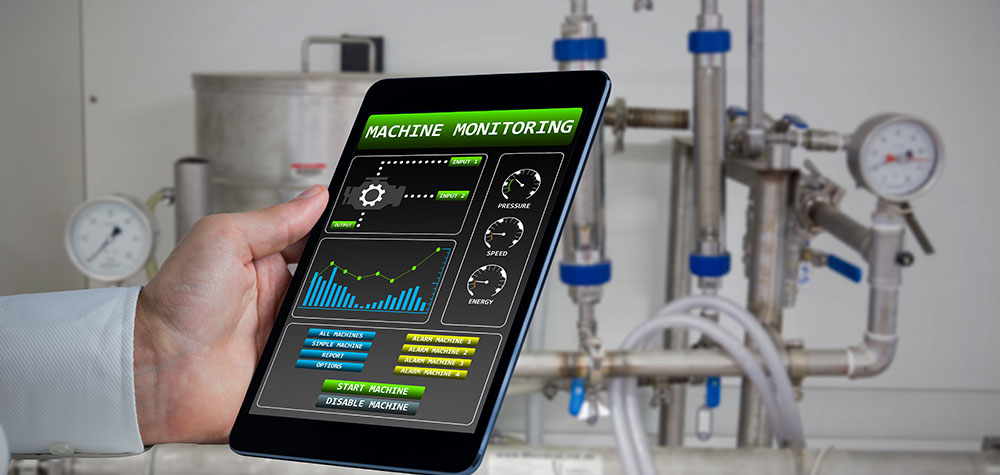
- Sensors monitor critical control points (temperature, pressure, flow)
- Real-time data logging ensures traceability and regulatory compliance
- Predictive maintenance keeps equipment clean and operational
Digital tools amplify the benefits of hygienic design, ensuring safety and productivity.
Conclusion
In modern food processing facilities, hygienic design is not optional—it is essential. For the Food & Beverage Industry, it protects consumers, ensures compliance, improves operational efficiency, and safeguards brand reputation.
From material selection and facility layout to cleaning systems and automation, every design decision must prioritize hygiene. Companies that implement hygienic design principles not only minimize risk but also create flexible, sustainable, and efficient facilities ready to meet the demands of today and tomorrow.